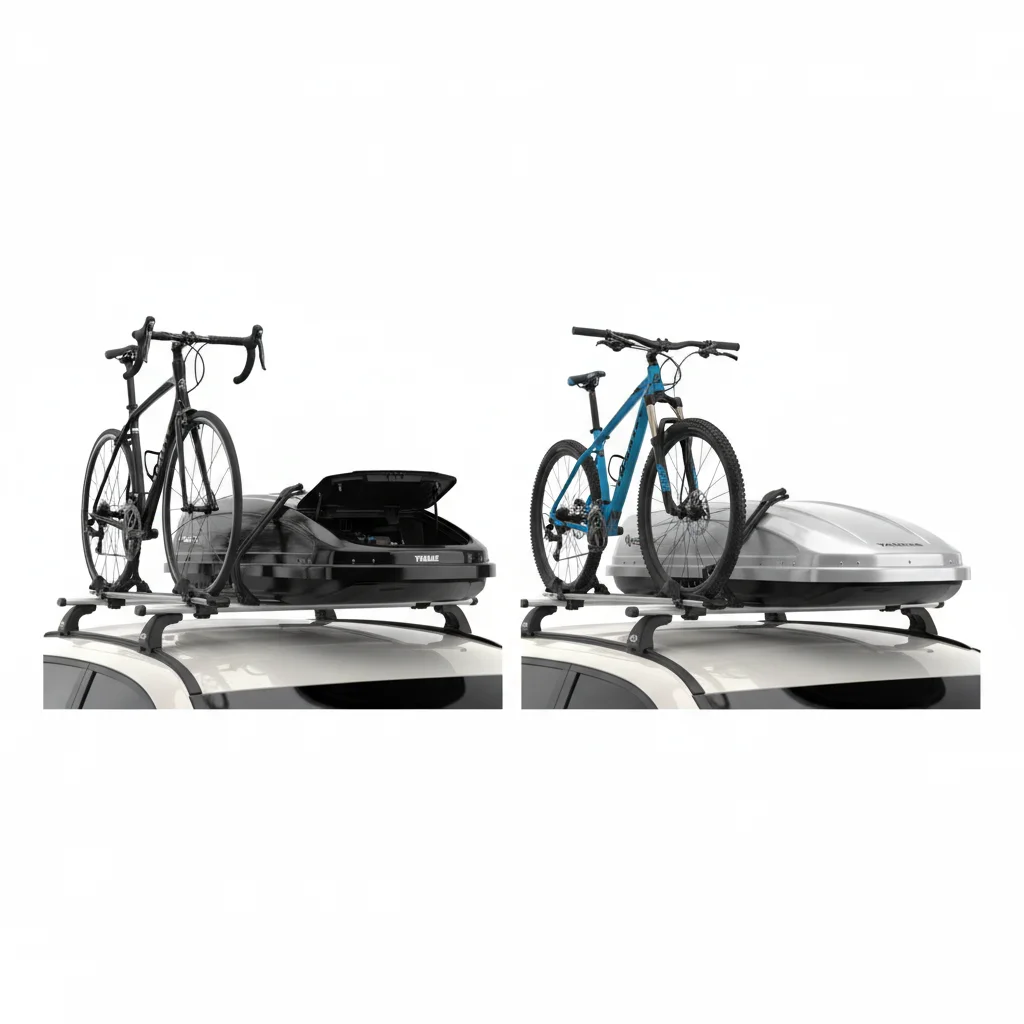
Choosing between Thule and Yakima roof rack systems depends on five key differences: design, installation, accessories, price, and warranty. Thule, a Swedish company, emphasizes sleek, aerodynamic designs and a premium look, while Yakima, an American company, focuses on rugged durability and user-friendly functionality. Both brands offer robust and versatile solutions for cargo management, but their distinct approaches cater to different user preferences and vehicle types.
Brand Philosophy and Design Aesthetics
Thule often emphasizes sleek, aerodynamic designs and a more integrated, premium look. Their systems frequently feature a minimalist aesthetic that blends seamlessly with modern vehicle designs. Yakima tends to focus on rugged durability and user-friendly functionality, often with a slightly more utilitarian appearance. While both prioritize safety and performance, Thule’s design often leans towards a refined, European sensibility, whereas Yakima’s design often reflects a practical, North American approach.
Installation and Vehicle Compatibility
Both Thule and Yakima offer extensive compatibility with a wide range of vehicles, including those with bare roofs, raised rails, flush rails, and fixed points. However, their installation methods can differ. Thule often uses a more modular system with separate components for feet, bars, and fit kits, which can sometimes feel more complex but offers precise customization. Yakima frequently employs a more integrated approach, with some systems designed for quicker, tool-free installation. It’s crucial to check specific fit guides for your vehicle, as certain models might have a more straightforward solution from one brand over the other.
Accessory Ecosystem and Versatility
|
Our Picks for the Best Roof Rack in 2026
As an Amazon Associate I earn from qualifying purchases.
|
||
| Num | Product | Action |
|---|---|---|
| 1 | MaxxHaul Steel Roof Rack Cargo Basket, 46" x 36" x 4.5" Roof Top Carrier, Universal Fit for Cars, SUVs, Vans, and RVs, 150 lb Capacity, Weather-Resistant Easy-Install Cargo Storage (70115) |

|
| 2 | KitsPro 260lb Roof Rack Cross Bars for 2011-2021 Jeep Grand Cherokee (ONLY FIT Factory Grooved Side Rails), Matte Black Heavy Duty Aluminum Cargo Crossbar |
|
| 3 | GarveeLife 51 in x 36 in Universal Roof Rack Carrier Basket, 200 LBS Capacity Rooftop Cargo Rack, Car Top Luggage Holder Basket Heavy Duty for SUVs, Trucks, Vehicles |
|
| 4 | Auto Dynasty Roof Rack Cross Bars Compatible with 2014-2018 Acura MDX, 165lbs Rooftop Cargo Bars Aluminum Anti-Corrosion Bolt-On Roof Rails for Luggage Bike Kayak Racks |
|
| 5 | GarveeLife 51 in x 36 in Universal Roof Rack Basket, 200 LBS Capacity Rooftop Cargo Carrier Basket, Heavy Duty Luggage Holder Rack for SUVs, Trucks, Vehicles |
|
| 6 | MAXXHAUL 50506 64" x 39" x 6" Heavy-Duty Universal Steel Roof Rack , Black |
|
| 7 | MeeFar Roof Rack Carrier Basket Universal Rooftop 51" X 36" X 5" + Waterproof Bag 15 Cubic Feet (44" 34" 17"), and Cargo Net with Attachment Hooks, Ratchet Straps |
|
| 8 | 64 x 39 x 6 Inch Roof Rack Basket, Heavy Duty 300LB Car Roof Rack Universal Cargo Carrier Rooftop Cargo Basket Steel Luggage Holder for SUV, Truck & Pickup |
|
| 9 | munirater Universal 43.3 inch Black Roof Rack Cross Bar Top Luggage Aluminum Carrier Adjustable Window Frame 2Pcs |
|
| 10 | GarveeLife 46" x 36" Universal Roof Rack Cargo Carrier Basket, 200 Lbs Capacity Rooftop Cargo Rack, Car Top Luggage Holder Basket Heavy Duty for SUVs, Trucks, Vehicles |
|
The breadth and depth of accessories are where both brands truly shine, offering solutions for bikes, kayaks, skis, cargo boxes, and more. Thule’s accessory line is vast, with many options designed to integrate seamlessly with their bar systems, often featuring quick-release mechanisms and advanced locking systems. Yakima also boasts an impressive array of accessories, frequently emphasizing ease of use and robust construction, with many attachments designed for tool-free installation. Consider your primary cargo needs; if you frequently transport specific gear, one brand might offer a slightly more optimized or user-friendly accessory for that purpose. For example, Yakima’s FatCat ski/snowboard mounts are renowned for their ease of use with gloves on.
- Thule’s WingBar Evo for reduced wind noise.
- Yakima’s JetStream bars for aerodynamic performance.
- Thule’s Force XT cargo boxes for secure storage.
- Yakima’s SkyBox series for ample gear capacity.
- Both offer robust bike rack solutions, from fork-mount to upright carriers.
Pricing and Value Proposition
Generally, Thule products can be perceived as slightly higher in price point compared to Yakima, especially for their premium lines. This often reflects their design aesthetic, advanced materials, and sometimes more intricate engineering. Yakima typically offers competitive pricing, providing excellent value for durable and functional systems. However, both brands have various tiers of products, so it’s possible to find budget-friendly options from either. The long-term value often comes down to the specific features you prioritize and how frequently you’ll use the system.for a comprehensive look at Thule’s offerings.
Durability, Security, and Warranty
Both Thule and Yakima are known for their high-quality construction and durability, using materials like aluminum, steel, and robust plastics. Security is a key feature for both, with integrated lock systems to deter theft of both the rack and your gear. Thule often uses their One-Key System, allowing a single key for all components. Yakima also offers similar security features. Both brands typically offer generous warranties, often covering manufacturing defects for several years or even a limited lifetime. Always review the specific warranty details for the products you are considering.to compare Yakima’s top-rated systems.
Frequently Asked Questions
What are the main differences between Thule and Yakima roof racks?
The main differences between Thule and Yakima roof racks lie in their design philosophy, installation methods, and accessory ecosystems. Thule emphasizes sleek, aerodynamic designs and modular installation, while Yakima focuses on rugged durability and often offers quicker, tool-free installation options. Both brands provide extensive accessory lines for various cargo needs.
Is Thule generally more expensive than Yakima for roof rack systems?
Yes, Thule products are generally perceived as slightly higher in price compared to Yakima, especially for their premium lines. This price difference often reflects Thule's design aesthetic, advanced materials, and intricate engineering. However, both brands offer various product tiers, allowing for budget-friendly options from either.
Which brand offers better compatibility for different vehicle types?
Both Thule and Yakima offer extensive compatibility with a wide range of vehicles, including those with bare roofs, raised rails, flush rails, and fixed points. It is crucial to check specific fit guides for your vehicle model, as one brand might offer a more straightforward or optimized solution for certain car types.
Do Thule and Yakima roof racks come with security features?
Yes, both Thule and Yakima roof racks are equipped with integrated lock systems to deter theft of both the rack and your gear. Thule often uses its One-Key System for convenience, while Yakima offers similar robust security features across its product lines. Always review the specific security details for the products you are considering.
Which brand has better accessories for specific outdoor gear?
Both brands offer vast accessory ecosystems for bikes, kayaks, skis, and cargo boxes. Thule's accessories often feature quick-release mechanisms and advanced locking, while Yakima's emphasize ease of use and robust construction, with many tool-free options. For example, Yakima's FatCat ski/snowboard mounts are known for their glove-friendly operation, which might be a deciding factor for winter sports enthusiasts.

After comparing both brands, I chose Yakima for my family’s camping trips. The focus on user-friendly functionality was key for me, as I’m often loading gear by myself. It’s incredibly versatile and handles our rooftop tent and extra luggage without any issues. The durability is impressive, and I feel confident it will last for many years of adventures.
I was torn between Thule and Yakima and ended up going with a Thule system because of the sleek design. While it looks great on my car, I found the price point a little steep for what you get, especially when you start adding accessories. It works well for my skis, but I wish the overall value felt a bit better. The warranty is good though, so that’s a plus.
I’ve been a Thule user for years and their aerodynamic design really does make a difference on highway trips. I recently upgraded to a newer model for my Subaru Outback and the installation was surprisingly straightforward, even for a single person. It holds my kayak securely and I barely notice it’s there. Definitely worth the investment for the premium look and feel.
I went with Yakima for my Jeep Wrangler because I needed something super durable for off-road adventures. The user-friendly functionality is a big plus, especially when I’m loading up my mountain bikes after a long ride. My only minor gripe is that it’s a bit bulkier than I expected, but it gets the job done and feels incredibly solid. No regrets on choosing Yakima for its ruggedness.