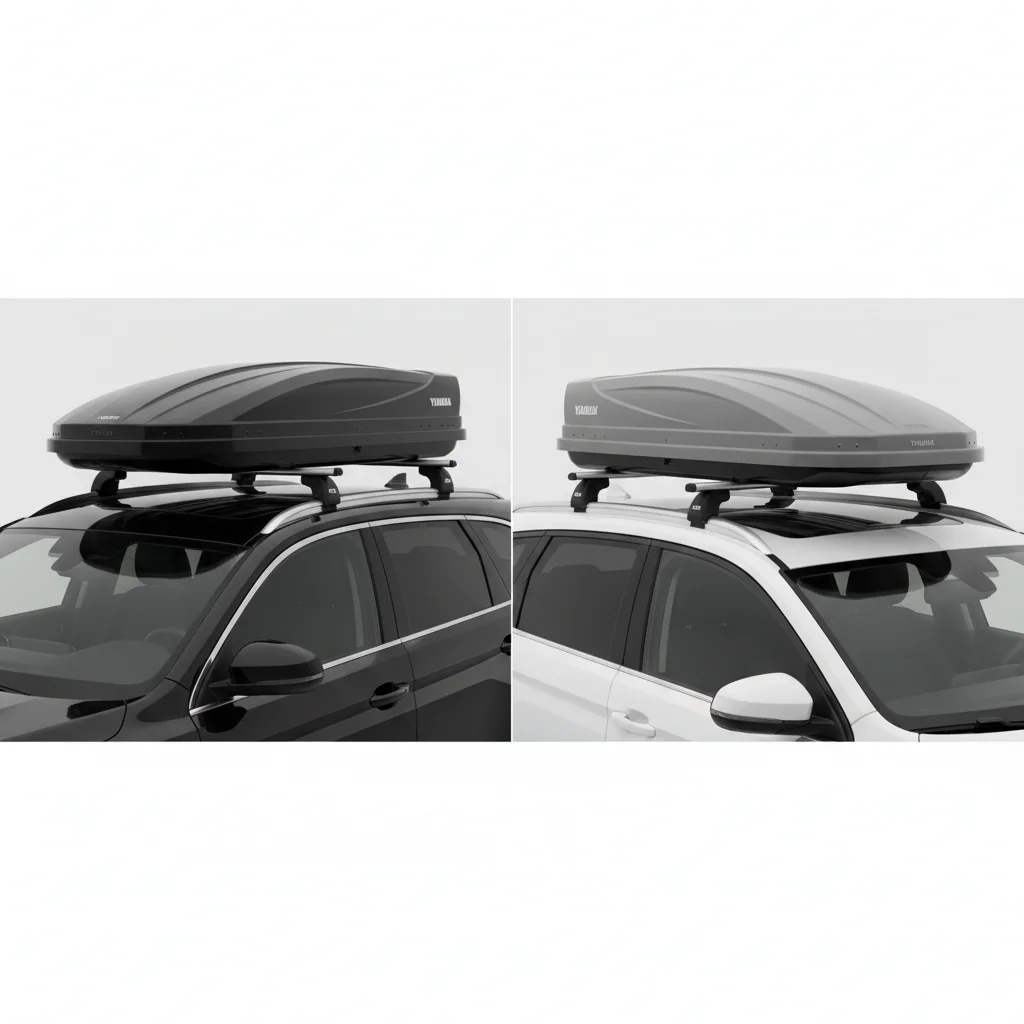
When choosing between Thule and Yakima roof racks, the best option depends on specific needs; Thule excels in aerodynamic design and premium aesthetics, while Yakima offers a more budget-friendly entry point with robust, user-friendly systems. Both brands provide exceptional quality and a wide range of products for cargo management. This comparison will explore five key areas to help you decide which brand is superior for your vehicle.
Design and Aerodynamics: Thule’s Sleek Edge
Thule is renowned for its sleek, aerodynamic designs. Their WingBar Evo and AeroBlade crossbars, for example, are engineered to minimize wind noise and drag, which can improve fuel efficiency. This emphasis on aesthetics and performance makes Thule a popular choice for users who prioritize a seamless look and reduced cabin noise. The integrated T-slot system on many Thule bars also allows for a clean attachment of accessories, enhancing their streamlined appearance.
Durability and Build Quality: Both Brands Deliver
Both Thule and Yakima are known for their robust construction and use of high-quality materials. Thule typically uses anodized aluminum and durable plastics, ensuring longevity and resistance to corrosion. Yakima, conversely, often employs heavy-duty steel and reinforced composites, recognized for their strength and ability to withstand harsh conditions. While both brands offer excellent durability, some users find Yakima’s more utilitarian designs feel slightly more rugged for extreme off-road use, whereas Thule’s finishes often appear more refined.
Ease of Installation and User-Friendliness
|
Our Picks for the Best Roof Rack in 2026
As an Amazon Associate I earn from qualifying purchases.
|
||
| Num | Product | Action |
|---|---|---|
| 1 | MeeFar Roof Rack Carrier Basket Universal Rooftop 51" X 36" X 5" + Waterproof Bag 15 Cubic Feet (44" 34" 17"), and Cargo Net with Attachment Hooks, Ratchet Straps |

|
| 2 | 64 x 39 x 6 Inch Roof Rack Basket, Heavy Duty 300LB Car Roof Rack Universal Cargo Carrier Rooftop Cargo Basket Steel Luggage Holder for SUV, Truck & Pickup |
|
| 3 | GarveeLife 51 in x 36 in Universal Roof Rack Basket, 200 LBS Capacity Rooftop Cargo Carrier Basket, Heavy Duty Luggage Holder Rack for SUVs, Trucks, Vehicles |
|
| 4 | MaxxHaul Steel Roof Rack Cargo Basket, 46" x 36" x 4.5" Roof Top Carrier, Universal Fit for Cars, SUVs, Vans, and RVs, 150 lb Capacity, Weather-Resistant Easy-Install Cargo Storage (70115) |
|
| 5 | GarveeLife 51 in x 36 in Universal Roof Rack Carrier Basket, 200 LBS Capacity Rooftop Cargo Rack, Car Top Luggage Holder Basket Heavy Duty for SUVs, Trucks, Vehicles |
|
| 6 | munirater Universal 43.3 inch Black Roof Rack Cross Bar Top Luggage Aluminum Carrier Adjustable Window Frame 2Pcs |
|
| 7 | Auto Dynasty Roof Rack Cross Bars Compatible with 2014-2018 Acura MDX, 165lbs Rooftop Cargo Bars Aluminum Anti-Corrosion Bolt-On Roof Rails for Luggage Bike Kayak Racks |
|
| 8 | MAXXHAUL 50506 64" x 39" x 6" Heavy-Duty Universal Steel Roof Rack , Black |
|
| 9 | KitsPro 260lb Roof Rack Cross Bars for 2011-2021 Jeep Grand Cherokee (ONLY FIT Factory Grooved Side Rails), Matte Black Heavy Duty Aluminum Cargo Crossbar |
|
| 10 | GarveeLife 46" x 36" Universal Roof Rack Cargo Carrier Basket, 200 Lbs Capacity Rooftop Cargo Rack, Car Top Luggage Holder Basket Heavy Duty for SUVs, Trucks, Vehicles |
|
Yakima frequently receives praise for its user-friendly installation processes. Many of their systems, such as the BaseLine and RidgeLine towers, feature intuitive adjustments and clear instructions, making DIY installation straightforward for most users. Thule also offers relatively easy installation, particularly with their pre-assembled foot packs, but some users find Yakima’s quick-release mechanisms and tool-free adjustments slightly more convenient for frequent removal and reinstallation. Both brands provide excellent online resources and customer support for installation guidance.
Accessory Compatibility and Versatility
Both Thule and Yakima boast extensive ecosystems of accessories, including bike racks, kayak carriers, cargo boxes, and ski/snowboard attachments. Thule’s T-slot system is widely compatible with a vast array of their own accessories and many third-party options. Yakima’s round bar system, while potentially less aerodynamic, offers incredible versatility and compatibility with a broad range of accessories, including older models and some competitor products. The choice here often depends on your existing gear and future accessory plans.
Price Point and Value Proposition
Generally, Thule products tend to be positioned at a slightly higher price point, reflecting their premium design and advanced features. Yakima often offers a more competitive entry-level price, making it an attractive option for those on a tighter budget without sacrificing significant quality or functionality. However, both brands offer various tiers of products, so it’s possible to find value at different price points within each. Consider the long-term value, warranty, and specific features you need when comparing costs.
- Thule’s aerodynamic design minimizes wind noise and drag.
- Yakima often provides a more budget-friendly entry point.
- Both brands offer extensive accessory ecosystems.
- Installation is generally straightforward for both, with Yakima often noted for slightly more intuitive adjustments.
- Durability is a strong suit for both Thule and Yakima, ensuring long-lasting performance.
Frequently Asked Questions
Which roof rack brand offers better aerodynamics?
Thule generally offers better aerodynamics with designs like their WingBar Evo and AeroBlade crossbars. These systems are engineered to minimize wind noise and drag, which can contribute to improved fuel efficiency compared to some Yakima models.
Is Thule or Yakima more budget-friendly for new buyers?
Yakima typically offers a more budget-friendly entry point for new buyers, providing robust and functional roof rack systems at a competitive price. Thule products are often positioned at a slightly higher price point due to their premium design and advanced features.
How do Thule and Yakima compare in terms of durability?
Both Thule and Yakima are known for their excellent durability and high-quality construction. Thule uses anodized aluminum, while Yakima often employs heavy-duty steel and reinforced composites, ensuring long-lasting performance in various conditions.
Which brand has easier installation for roof rack systems?
Yakima often receives praise for its user-friendly installation processes, featuring intuitive adjustments and clear instructions for DIY setup. While Thule also offers easy installation, some users find Yakima's quick-release mechanisms more convenient for frequent removal.
What types of accessories are compatible with Thule and Yakima?
Both Thule and Yakima offer extensive accessory ecosystems, including bike racks, kayak carriers, cargo boxes, and ski/snowboard attachments. Thule's T-slot system and Yakima's round bar system are both highly versatile, supporting a wide range of their own and third-party accessories.

I went with a Yakima system after reading about their user-friendly systems, and I’m pretty happy. It was definitely more budget-friendly than some of the Thule options I looked at, which was a big plus for me. It holds my kayak securely, and I appreciate how easy it is to get on and off my car when I don’t need it.
The integrated T-slot system on my Thule rack is a game-changer for attaching accessories. It keeps everything looking super clean and streamlined, which I love. I use it for a cargo box and ski carriers, and switching them out is a breeze. It really elevates the whole cargo management experience.
I got a Yakima rack for my mountain bike, and while it’s robust and holds the bike well, I did notice a bit more wind noise than I expected. It’s not terrible, but it’s definitely audible at higher speeds. For the price, it’s a solid option, but I might consider Thule’s AeroBlade next time for the quieter ride.
I’ve been a Thule fan for years, and their WingBar Evo crossbars are just fantastic. The aerodynamic design really does make a difference in wind noise, even on the highway. Installation was straightforward on my Subaru Outback, and it feels incredibly secure. Definitely worth the investment for the quality and peace of mind.