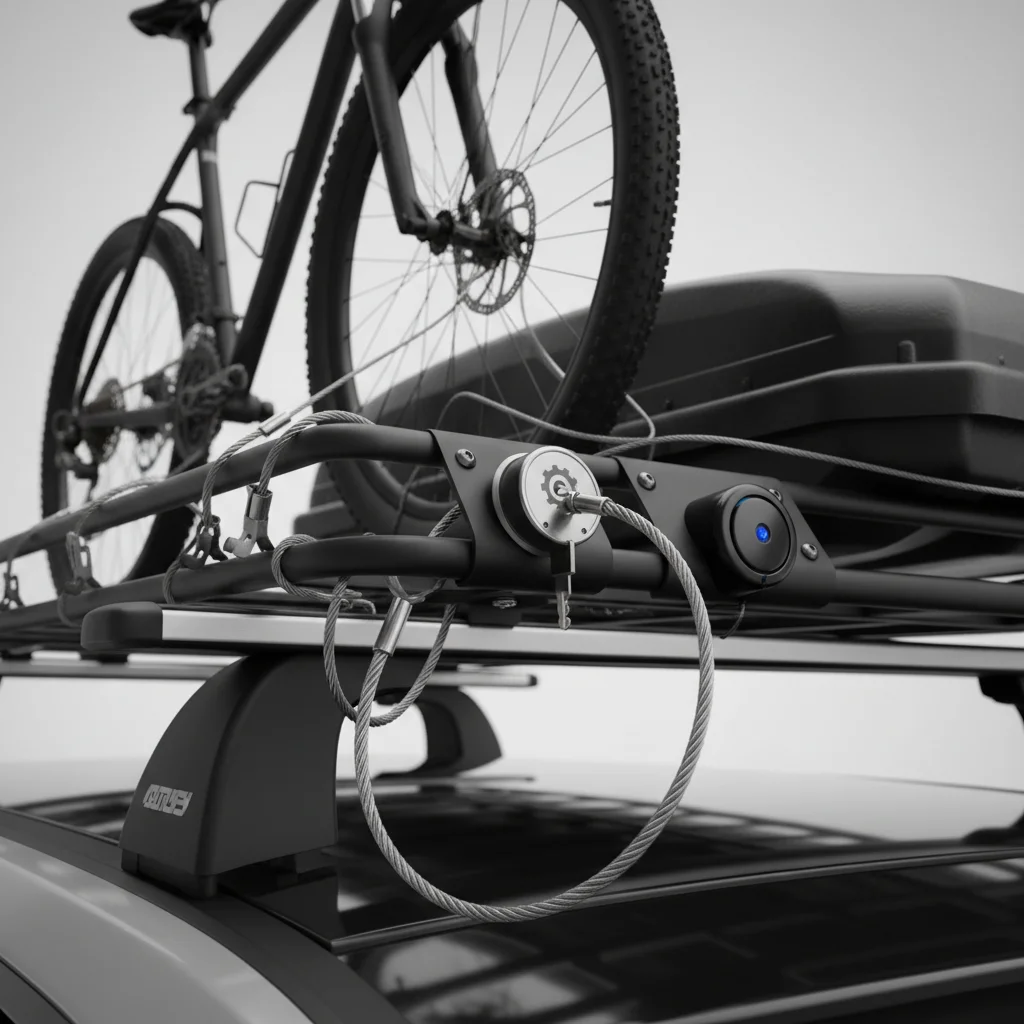
Ensuring roof rack security is paramount to protecting your valuable gear from theft. While no system is entirely foolproof, implementing a combination of physical deterrents and smart practices can significantly reduce the risk. The most effective strategies involve using locking mechanisms on both the rack itself and the mounted accessories, along with careful parking choices and visible deterrents.
Understanding Common Roof Rack Vulnerabilities
Thieves often target roof racks and their contents due to their accessibility and the perceived value of the items carried, such as bikes, kayaks, or cargo boxes. Common vulnerabilities include easily removable crossbars, unsecured accessories, and vehicles parked in isolated or poorly lit areas. Standard factory racks, while convenient, may offer less inherent security than aftermarket systems designed with theft prevention in mind. For expert automotive roof reviews on this site.
Many opportunistic thefts occur when items are left unattended for extended periods, particularly overnight. It’s crucial to assess the security features of your specific roof rack system and identify any weak points that could be exploited. This proactive approach allows you to reinforce security where it’s most needed.
Essential Locking Mechanisms for Roof Racks
The foundation of good roof rack security lies in robust locking mechanisms. Most quality aftermarket roof rack systems, such as those from Thule and Yakima, come with integrated lock cores for their towers and sometimes for accessories. These locks typically use a key to secure the rack to your vehicle’s rails or fixed points, preventing quick removal of the entire system.
For individual accessories like bike carriers, ski mounts, or cargo boxes, dedicated locking mechanisms are also available. These often involve internal locks or external cables that secure the item to the crossbars. Always ensure that all components, from the base rack to the mounted gear, are individually locked when left on your vehicle.
Securing Your Gear: Beyond the Rack
|
Our Picks for the Best Roof Rack in 2026
As an Amazon Associate I earn from qualifying purchases.
|
||
| Num | Product | Action |
|---|---|---|
| 1 | MAXXHAUL 50506 64" x 39" x 6" Heavy-Duty Universal Steel Roof Rack , Black |

|
| 2 | GarveeLife 51 in x 36 in Universal Roof Rack Carrier Basket, 200 LBS Capacity Rooftop Cargo Rack, Car Top Luggage Holder Basket Heavy Duty for SUVs, Trucks, Vehicles |
|
| 3 | GarveeLife 46" x 36" Universal Roof Rack Cargo Carrier Basket, 200 Lbs Capacity Rooftop Cargo Rack, Car Top Luggage Holder Basket Heavy Duty for SUVs, Trucks, Vehicles |
|
| 4 | MaxxHaul Steel Roof Rack Cargo Basket, 46" x 36" x 4.5" Roof Top Carrier, Universal Fit for Cars, SUVs, Vans, and RVs, 150 lb Capacity, Weather-Resistant Easy-Install Cargo Storage (70115) |
|
| 5 | munirater Universal 43.3 inch Black Roof Rack Cross Bar Top Luggage Aluminum Carrier Adjustable Window Frame 2Pcs |
|
| 6 | 64 x 39 x 6 Inch Roof Rack Basket, Heavy Duty 300LB Car Roof Rack Universal Cargo Carrier Rooftop Cargo Basket Steel Luggage Holder for SUV, Truck & Pickup |
|
| 7 | Auto Dynasty Roof Rack Cross Bars Compatible with 2014-2018 Acura MDX, 165lbs Rooftop Cargo Bars Aluminum Anti-Corrosion Bolt-On Roof Rails for Luggage Bike Kayak Racks |
|
| 8 | KitsPro 260lb Roof Rack Cross Bars for 2011-2021 Jeep Grand Cherokee (ONLY FIT Factory Grooved Side Rails), Matte Black Heavy Duty Aluminum Cargo Crossbar |
|
| 9 | MeeFar Roof Rack Carrier Basket Universal Rooftop 51" X 36" X 5" + Waterproof Bag 15 Cubic Feet (44" 34" 17"), and Cargo Net with Attachment Hooks, Ratchet Straps |
|
| 10 | GarveeLife 51 in x 36 in Universal Roof Rack Basket, 200 LBS Capacity Rooftop Cargo Carrier Basket, Heavy Duty Luggage Holder Rack for SUVs, Trucks, Vehicles |
|
Even with a locked roof rack, your cargo needs additional protection. For bicycles, consider using a high-quality U-lock or chain lock to secure the bike frame to the roof rack crossbar, in addition to any integrated bike carrier locks. Kayaks and paddleboards can be secured with specialized locking straps or cables that are cut-resistant. Cargo boxes often have their own internal locking systems, but for added peace of mind, a cable lock can be threaded through the box and around the crossbars.
- Always use multiple locking points for high-value items.
- Invest in hardened steel locks and cut-resistant cables.
- Ensure keys are kept in a secure location and not left in the vehicle.
- Consider alarm systems that detect tampering with your vehicle or roof rack.
- Never leave valuable items on your roof rack overnight in unsecured locations.
Strategic Parking and Visible Deterrents
Where you park your vehicle plays a significant role in roof rack security. Opt for well-lit, high-traffic areas whenever possible. Parking in a garage or a secure, monitored lot is ideal, especially when leaving your vehicle for extended periods. Avoid secluded spots or areas known for high crime rates.
Visible deterrents can also be effective. A brightly colored, robust lock or a security sticker indicating a monitored system might make a thief think twice. While not a substitute for physical security, these visual cues can contribute to overall theft prevention.
Maintenance and Best Practices for Long-Term Security
Regular maintenance of your roof rack and its locking mechanisms is crucial. Lubricate lock cores periodically to prevent seizing and ensure smooth operation. Inspect straps, cables, and mounting hardware for wear and tear, replacing any compromised components immediately. A well-maintained system is a secure system.
Finally, always remove valuable gear from your roof rack when it’s not in use, especially if you’re parking in an unsecured location. If possible, remove the entire roof rack system when not needed, as this eliminates the target altogether. For those times when removal isn’t practical, a layered approach to security—combining robust locks, smart parking, and visible deterrents—offers the best defense against theft.

I’ve had a few close calls with my bike rack in the past, so the tips on locking mechanisms for both the rack and accessories were super helpful. I just upgraded to an aftermarket system with integrated locks, and it feels much more secure. Definitely worth the investment for peace of mind when I’m out on the trails.
This was a great read! I’ve been worried about my kayak getting stolen off the roof, especially after hearing some horror stories. The advice on using multiple physical deterrents really resonated with me. I’m going to double down on my locking straps and add a cable lock for extra security. Thanks for the practical tips!
Good points about parking choices. I never really thought about how much of a difference a well-lit area makes for deterring theft. I usually just park wherever, but now I’m more conscious, especially when I have my cargo box loaded up with camping gear. It’s a simple change that can make a big impact.
I appreciate the info on common roof rack vulnerabilities, but I wish there were more specific brand recommendations for really secure crossbars. My factory rack feels a bit flimsy, and while the advice is good, it’s hard to know which aftermarket systems truly offer the best theft prevention without more guidance.