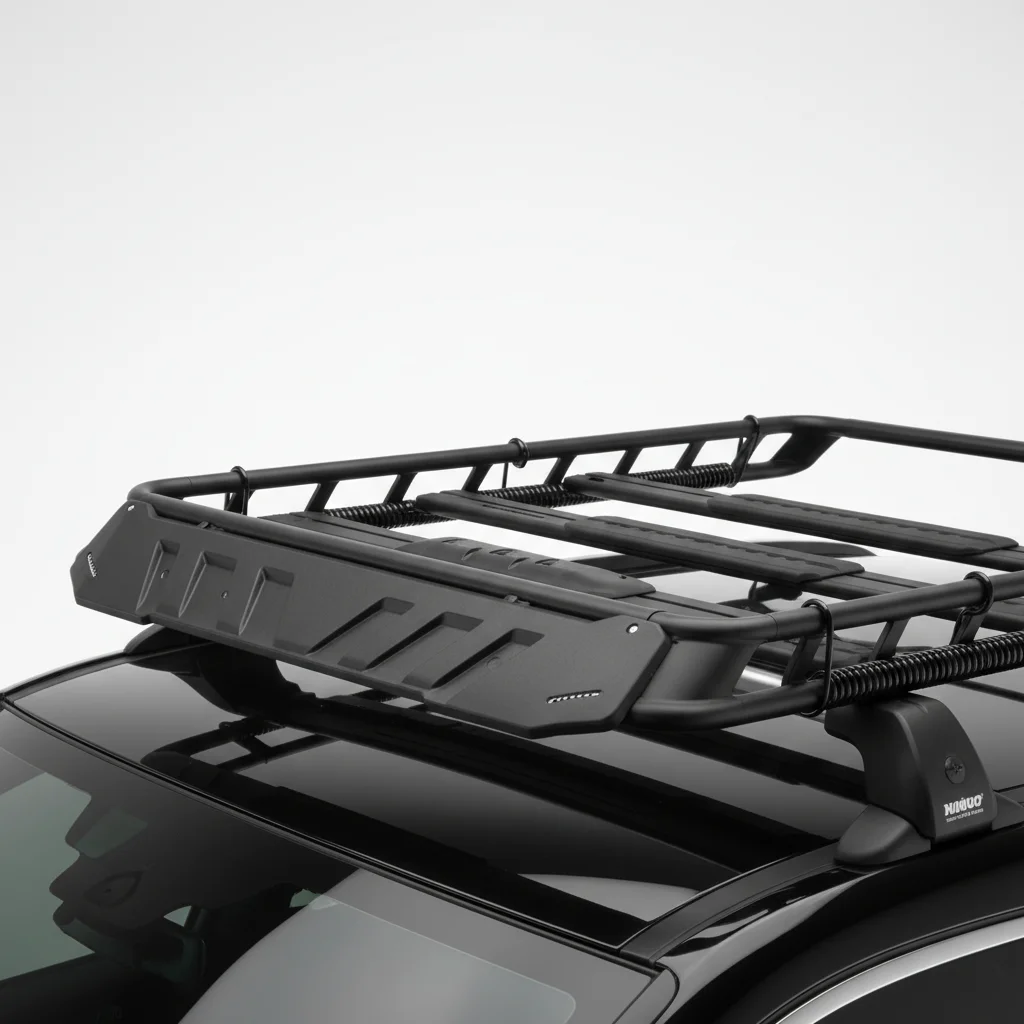
Reducing roof rack noise is achievable through several key strategies, primarily focusing on aerodynamics and proper installation. Many users report a significant decrease in wind noise by implementing simple modifications like fairings, adjusting crossbar positions, or sealing gaps. The most effective methods often involve a combination of these approaches, leading to a quieter and more enjoyable driving experience, especially at highway speeds.
Understanding the Sources of Roof Rack Noise
Roof rack noise primarily stems from airflow disruption. As air passes over and around the various components of a roof rack – the crossbars, towers, and any mounted accessories – it creates turbulence. This turbulence manifests as whistling, humming, or a low roar, depending on the vehicle’s speed and the specific design of the rack. Factors like the shape of the crossbars (round bars are generally noisier than aerodynamic ones), the presence of T-slots, and even the angle at which accessories are mounted can contribute to the overall sound profile. Identifying the specific source of the noise is the first step in effectively mitigating it.
Aerodynamic Fairings and Wind Deflectors
One of the most popular and effective solutions for roof rack noise reduction is the installation of an aerodynamic fairing or wind deflector. These devices are typically mounted at the front of the roof rack, creating a smooth transition for airflow over the crossbars. By redirecting the air, fairings significantly reduce the turbulence that causes whistling and humming. Many major roof rack brands offer custom-fit fairings for their systems, designed to integrate seamlessly and provide optimal noise reduction. When selecting a fairing, ensure it is compatible with your specific roof rack model for the best results.
Optimizing Crossbar Placement and Spacing
|
Our Picks for the Best Roof Rack in 2026
As an Amazon Associate I earn from qualifying purchases.
|
||
| Num | Product | Action |
|---|---|---|
| 1 | 64 x 39 x 6 Inch Roof Rack Basket, Heavy Duty 300LB Car Roof Rack Universal Cargo Carrier Rooftop Cargo Basket Steel Luggage Holder for SUV, Truck & Pickup |

|
| 2 | Auto Dynasty Roof Rack Cross Bars Compatible with 2014-2018 Acura MDX, 165lbs Rooftop Cargo Bars Aluminum Anti-Corrosion Bolt-On Roof Rails for Luggage Bike Kayak Racks |
|
| 3 | MaxxHaul Steel Roof Rack Cargo Basket, 46" x 36" x 4.5" Roof Top Carrier, Universal Fit for Cars, SUVs, Vans, and RVs, 150 lb Capacity, Weather-Resistant Easy-Install Cargo Storage (70115) |
|
| 4 | MeeFar Roof Rack Carrier Basket Universal Rooftop 51" X 36" X 5" + Waterproof Bag 15 Cubic Feet (44" 34" 17"), and Cargo Net with Attachment Hooks, Ratchet Straps |
|
| 5 | GarveeLife 51 in x 36 in Universal Roof Rack Carrier Basket, 200 LBS Capacity Rooftop Cargo Rack, Car Top Luggage Holder Basket Heavy Duty for SUVs, Trucks, Vehicles |
|
| 6 | GarveeLife 46" x 36" Universal Roof Rack Cargo Carrier Basket, 200 Lbs Capacity Rooftop Cargo Rack, Car Top Luggage Holder Basket Heavy Duty for SUVs, Trucks, Vehicles |
|
| 7 | MAXXHAUL 50506 64" x 39" x 6" Heavy-Duty Universal Steel Roof Rack , Black |
|
| 8 | munirater Universal 43.3 inch Black Roof Rack Cross Bar Top Luggage Aluminum Carrier Adjustable Window Frame 2Pcs |
|
| 9 | KitsPro 260lb Roof Rack Cross Bars for 2011-2021 Jeep Grand Cherokee (ONLY FIT Factory Grooved Side Rails), Matte Black Heavy Duty Aluminum Cargo Crossbar |
|
| 10 | GarveeLife 51 in x 36 in Universal Roof Rack Basket, 200 LBS Capacity Rooftop Cargo Carrier Basket, Heavy Duty Luggage Holder Rack for SUVs, Trucks, Vehicles |
|
The position and spacing of your roof rack crossbars can have a substantial impact on wind noise. Incorrect spacing can create resonant frequencies that amplify sound. Experimenting with different distances between the front and rear crossbars can often reveal a quieter configuration. Generally, wider spacing can sometimes reduce whistling, but it’s crucial to consult your vehicle and roof rack manufacturer’s recommendations for optimal load distribution and safety. Additionally, ensuring the crossbars are perfectly level and free from any twists or misalignments will prevent uneven airflow and potential noise generation.
Sealing Gaps and Filling Openings
Small gaps and open channels within the roof rack system can act as miniature flutes, generating whistling noises as air passes through them. Many modern aerodynamic crossbars feature T-slots or other channels for accessory mounting. If these slots are not in use, they should be sealed with rubber strips or end caps provided by the manufacturer. Similarly, any open ends of crossbars or towers should be properly capped. Even minor imperfections or unsealed areas can contribute to noticeable noise, so a thorough inspection and sealing process can yield significant improvements.
Accessory Management and Load Considerations
The items you carry on your roof rack also play a crucial role in noise generation. Large, bulky items like cargo boxes, kayaks, or bikes can significantly increase wind resistance and noise. When not in use, remove all accessories from the roof rack to minimize drag and noise. When carrying items, ensure they are securely fastened and positioned to minimize their aerodynamic profile. For example, positioning a cargo box as far back as safely possible can sometimes reduce frontal drag and associated noise. Always ensure your load is within the specified weight limits for both your roof rack and vehicle.
- Install an aerodynamic fairing or wind deflector.
- Adjust crossbar spacing to minimize resonance.
- Seal unused T-slots and open ends with rubber strips or caps.
- Remove all accessories when not in use.
- Ensure all components are tightly secured and free from vibration.

I was so tired of the constant whistling from my old round bars, especially on long trips. After reading about fairings here, I decided to invest in one for my Thule system. What a difference! It cut down the wind noise by at least 70%, making highway driving so much more peaceful. Wish I’d done this sooner.
My new aerodynamic crossbars from Rhino-Rack are fantastic. I used to dread the highway because of the wind noise, but these are incredibly quiet. The difference from my old square bars is night and day. It really makes a difference when you’re driving for hours with a cargo box on top.
I tried sealing some of the gaps around my towers with weather stripping, as suggested. It helped a little with the low roar, but honestly, the noise is still pretty present at higher speeds. Maybe my rack is just too old, or I need to try a different type of fairing. It was worth a shot though.
The tip about adjusting crossbar positions really helped me out. My Yakima rack was making a low hum at around 50 mph, and just moving the front bar back a few inches made a noticeable improvement. It’s not completely silent, but it’s definitely better than before. Simple fix that didn’t cost a thing.