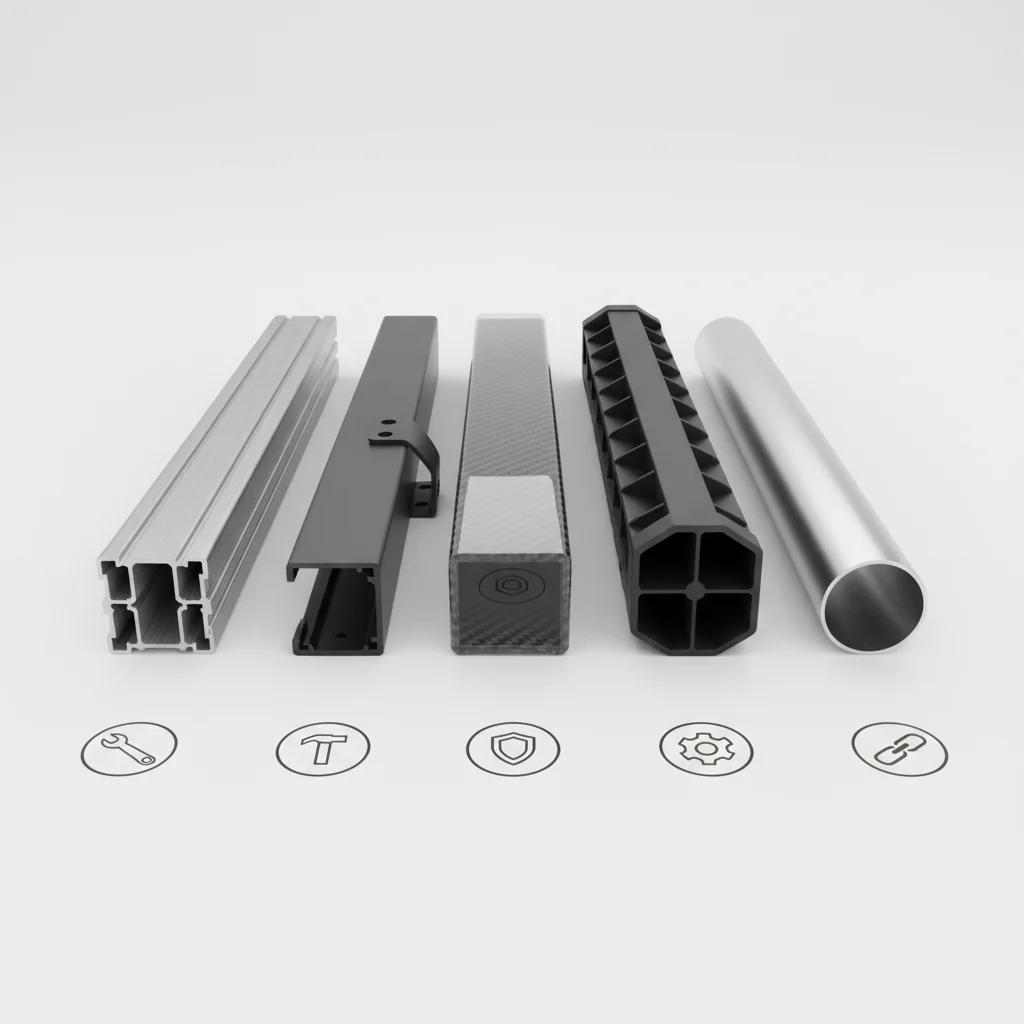
Choosing the right roof rack material is crucial for both durability and performance. Generally, aluminum is considered the best material for roof racks due to its excellent strength-to-weight ratio, corrosion resistance, and versatility. While steel offers superior strength for heavy loads, its weight and susceptibility to rust make it less ideal for general use. Plastic and composite materials are lighter but often lack the robust capacity needed for serious cargo.
Aluminum Roof Racks: The Lightweight Champion
Aluminum roof racks are a popular choice for many reasons. Their inherent lightness means less added weight to your vehicle, which can positively impact fuel efficiency. Furthermore, aluminum is naturally resistant to rust and corrosion, making it an excellent option for all weather conditions, from coastal salt air to snowy mountain roads. This material is also highly adaptable, allowing manufacturers to create aerodynamic profiles that reduce wind noise and drag. However, while strong, aluminum can be more susceptible to bending under extreme point loads compared to steel.
Steel Roof Racks: Unmatched Strength for Heavy Loads
For those who frequently transport very heavy or bulky items, steel roof racks are often the preferred option. Steel offers unparalleled strength and rigidity, making it ideal for carrying large cargo boxes, multiple kayaks, or even rooftop tents for overlanding adventures. The robust nature of steel means it can withstand significant stress without deforming. The primary drawbacks of steel are its weight, which can reduce fuel economy and make installation more challenging, and its susceptibility to rust if not properly coated or maintained. Regular inspection and touch-ups are essential to prevent corrosion.
Plastic and Composite Roof Racks: Budget-Friendly and Light
|
Our Picks for the Best Roof Rack in 2026
As an Amazon Associate I earn from qualifying purchases.
|
||
| Num | Product | Action |
|---|---|---|
| 1 | Auto Dynasty Roof Rack Cross Bars Compatible with 2014-2018 Acura MDX, 165lbs Rooftop Cargo Bars Aluminum Anti-Corrosion Bolt-On Roof Rails for Luggage Bike Kayak Racks |

|
| 2 | MaxxHaul Steel Roof Rack Cargo Basket, 46" x 36" x 4.5" Roof Top Carrier, Universal Fit for Cars, SUVs, Vans, and RVs, 150 lb Capacity, Weather-Resistant Easy-Install Cargo Storage (70115) |
|
| 3 | 64 x 39 x 6 Inch Roof Rack Basket, Heavy Duty 300LB Car Roof Rack Universal Cargo Carrier Rooftop Cargo Basket Steel Luggage Holder for SUV, Truck & Pickup |
|
| 4 | GarveeLife 46" x 36" Universal Roof Rack Cargo Carrier Basket, 200 Lbs Capacity Rooftop Cargo Rack, Car Top Luggage Holder Basket Heavy Duty for SUVs, Trucks, Vehicles |
|
| 5 | GarveeLife 51 in x 36 in Universal Roof Rack Basket, 200 LBS Capacity Rooftop Cargo Carrier Basket, Heavy Duty Luggage Holder Rack for SUVs, Trucks, Vehicles |
|
| 6 | GarveeLife 51 in x 36 in Universal Roof Rack Carrier Basket, 200 LBS Capacity Rooftop Cargo Rack, Car Top Luggage Holder Basket Heavy Duty for SUVs, Trucks, Vehicles |
|
| 7 | KitsPro 260lb Roof Rack Cross Bars for 2011-2021 Jeep Grand Cherokee (ONLY FIT Factory Grooved Side Rails), Matte Black Heavy Duty Aluminum Cargo Crossbar |
|
| 8 | munirater Universal 43.3 inch Black Roof Rack Cross Bar Top Luggage Aluminum Carrier Adjustable Window Frame 2Pcs |
|
| 9 | MAXXHAUL 50506 64" x 39" x 6" Heavy-Duty Universal Steel Roof Rack , Black |
|
| 10 | MeeFar Roof Rack Carrier Basket Universal Rooftop 51" X 36" X 5" + Waterproof Bag 15 Cubic Feet (44" 34" 17"), and Cargo Net with Attachment Hooks, Ratchet Straps |
|
Plastic and composite materials are typically found in more budget-friendly or specialized roof rack systems. These materials are very lightweight and can be molded into complex shapes, offering good aerodynamics. They are also resistant to rust and corrosion. However, their load capacity is generally lower than that of aluminum or steel, making them less suitable for heavy-duty applications. They are often used for lighter loads like bicycles or small cargo bags. Durability can also be a concern over long periods of exposure to harsh UV rays and extreme temperatures.
Factors to Consider When Choosing Your Roof Rack Material
When selecting a roof rack material, several factors should influence your decision. First, consider the type and weight of the cargo you plan to carry. If you’re hauling heavy gear, steel might be necessary. For general use and lighter loads, aluminum is often sufficient. Second, think about your local climate and how often the rack will be exposed to elements like rain, snow, or saltwater. Aluminum’s corrosion resistance is a significant advantage here. Finally, consider your budget and the overall aesthetic you desire for your vehicle. Each material offers a different balance of cost, performance, and appearance.
- Cargo Weight: Match material strength to your heaviest anticipated load.
- Environmental Exposure: Prioritize corrosion resistance for wet or salty climates.
- Vehicle Weight Limit: Account for the rack’s weight in your vehicle’s total capacity.
- Aerodynamics: Consider how the material and design impact wind noise and fuel efficiency.
- Budget: Balance cost with desired durability and features.
Maintenance Tips for Different Roof Rack Materials
Proper maintenance can significantly extend the life of any roof rack. For steel racks, regular cleaning and inspection for chips or scratches in the protective coating are vital to prevent rust. Any exposed metal should be touched up with rust-inhibiting paint. Aluminum racks benefit from occasional cleaning with mild soap and water to remove road grime and salt, which can cause pitting over time. While plastic and composite racks are generally low maintenance, they should be cleaned regularly and inspected for cracks or UV degradation, especially in areas with intense sun exposure. Always refer to the manufacturer’s specific care instructions for your particular roof rack system.
For a durable and versatile aluminum option, consider the. If you need the ultimate in strength for heavy loads, theis an excellent choice.

I’ve been using an aluminum roof rack for about six months now, and it’s been fantastic. The post really hit the nail on the head about the strength-to-weight ratio. I barely notice it’s there, and my gas mileage hasn’t taken a hit at all. It handles my kayaks like a champ, even on longer trips.
I upgraded from a cheaper plastic rack to a steel one after reading about the different materials. While the steel rack is definitely more robust for my heavier gear, the article was right about the weight. It’s a bit of a beast to get on and off, and I’m keeping an eye out for any rust, though so far so good. It feels super secure though, which is what I needed.
This was super helpful in deciding on my new roof rack. I was torn between aluminum and steel, but the point about aluminum’s versatility and resistance to rust really sold me. I do a lot of camping and need something that can handle all kinds of weather without constant maintenance. It’s been perfect for my rooftop tent.
I went with an aluminum rack based on the recommendations for corrosion resistance, especially since I live near the coast. It’s held up well against the salt air, which is great. My only minor complaint is that some of the accessory mounts feel a little less sturdy than I expected for the price. It does the job, but I wish it felt a bit more solid in those specific spots.