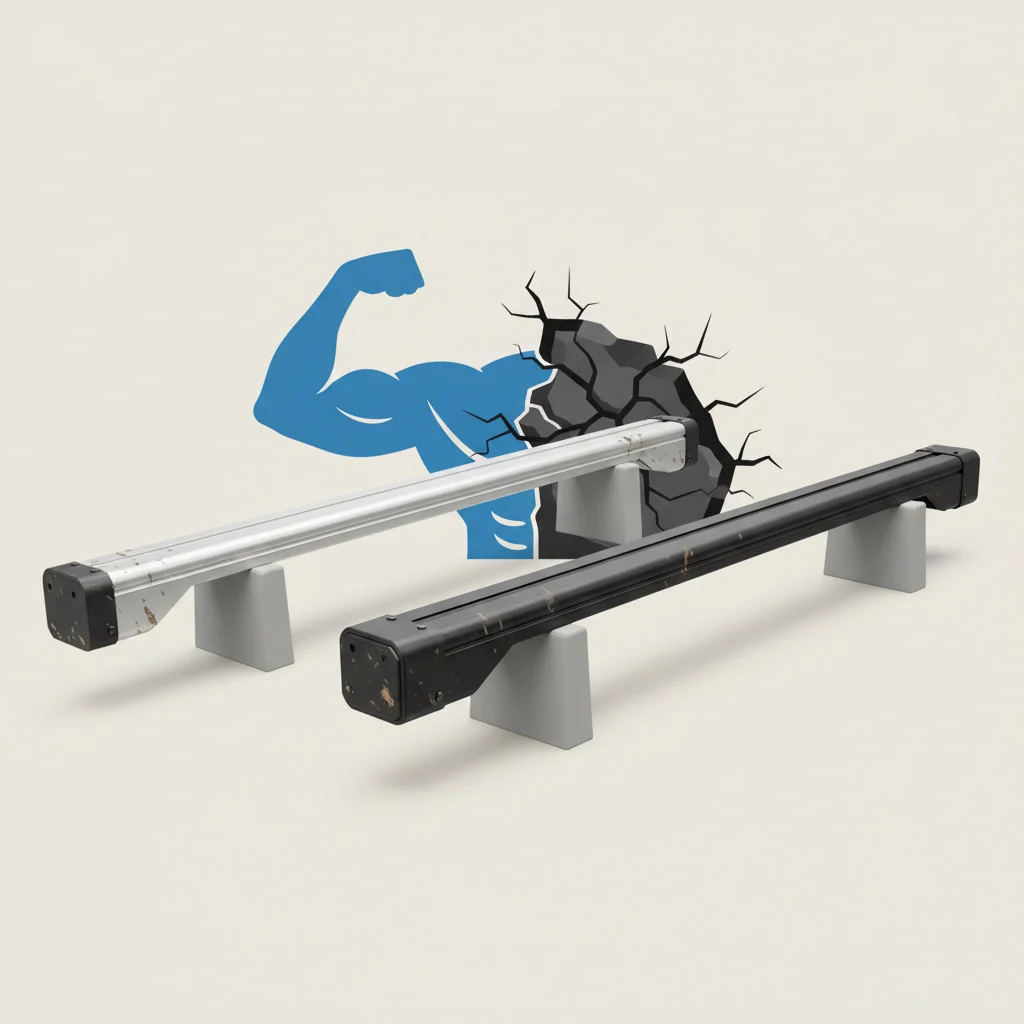
When choosing a roof rack, the material it’s made from significantly impacts its durability, weight, and overall performance. The two primary materials used are aluminum and steel, each offering distinct advantages and disadvantages. For most users prioritizing a balance of strength and weight, aluminum is often the superior choice, providing excellent corrosion resistance and a lighter footprint on your vehicle.
Aluminum Roof Racks: Lightweight Strength and Corrosion Resistance
Aluminum roof racks are highly popular due to their impressive strength-to-weight ratio. This material is naturally resistant to rust and corrosion, making it an ideal choice for various climates, especially coastal regions or areas with heavy rainfall and snow. The lighter weight of aluminum also means less impact on your vehicle’s fuel efficiency and a lower overall load on your car’s roof, which can be crucial for vehicles with lower roof weight capacities. While generally more expensive upfront than steel, the longevity and maintenance benefits often justify the investment. For more automotive roof guides on this site.
Modern aluminum racks often feature anodized finishes or powder coatings to further enhance their durability and aesthetic appeal. These treatments protect the metal from scratches and UV degradation, ensuring your rack looks good and performs well for years. Brands like Thule and Yakima extensively use aluminum in their premium roof rack lines, offering sleek designs that integrate well with contemporary vehicle aesthetics.
Steel Roof Racks: Unmatched Strength for Heavy Loads
Steel roof racks are renowned for their exceptional strength and load-bearing capabilities. If you plan to transport extremely heavy items, such as large rooftop tents, multiple kayaks, or significant amounts of lumber, steel is often the preferred material. Its inherent rigidity makes it less prone to flexing under extreme stress, providing a very stable platform for your cargo. However, this strength comes at the cost of increased weight, which can affect your vehicle’s handling and fuel economy.
The primary drawback of steel is its susceptibility to rust and corrosion if not properly maintained. Most steel roof racks come with a powder-coated finish to protect against the elements, but any chips or scratches in this coating can expose the steel to moisture, leading to rust. Regular inspection and touch-ups are essential to prolong the life of a steel roof rack. Despite this, for sheer brute strength and reliability in demanding situations, steel remains a top contender.
Key Differences: Weight, Cost, and Maintenance
|
Our Picks for the Best Roof Rack in 2026
As an Amazon Associate I earn from qualifying purchases.
|
||
| Num | Product | Action |
|---|---|---|
| 1 | GarveeLife 51 in x 36 in Universal Roof Rack Carrier Basket, 200 LBS Capacity Rooftop Cargo Rack, Car Top Luggage Holder Basket Heavy Duty for SUVs, Trucks, Vehicles |

|
| 2 | GarveeLife 51 in x 36 in Universal Roof Rack Basket, 200 LBS Capacity Rooftop Cargo Carrier Basket, Heavy Duty Luggage Holder Rack for SUVs, Trucks, Vehicles |
|
| 3 | KitsPro 260lb Roof Rack Cross Bars for 2011-2021 Jeep Grand Cherokee (ONLY FIT Factory Grooved Side Rails), Matte Black Heavy Duty Aluminum Cargo Crossbar |
|
| 4 | munirater Universal 43.3 inch Black Roof Rack Cross Bar Top Luggage Aluminum Carrier Adjustable Window Frame 2Pcs |
|
| 5 | 64 x 39 x 6 Inch Roof Rack Basket, Heavy Duty 300LB Car Roof Rack Universal Cargo Carrier Rooftop Cargo Basket Steel Luggage Holder for SUV, Truck & Pickup |
|
| 6 | MAXXHAUL 50506 64" x 39" x 6" Heavy-Duty Universal Steel Roof Rack , Black |
|
| 7 | MaxxHaul Steel Roof Rack Cargo Basket, 46" x 36" x 4.5" Roof Top Carrier, Universal Fit for Cars, SUVs, Vans, and RVs, 150 lb Capacity, Weather-Resistant Easy-Install Cargo Storage (70115) |
|
| 8 | GarveeLife 46" x 36" Universal Roof Rack Cargo Carrier Basket, 200 Lbs Capacity Rooftop Cargo Rack, Car Top Luggage Holder Basket Heavy Duty for SUVs, Trucks, Vehicles |
|
| 9 | Auto Dynasty Roof Rack Cross Bars Compatible with 2014-2018 Acura MDX, 165lbs Rooftop Cargo Bars Aluminum Anti-Corrosion Bolt-On Roof Rails for Luggage Bike Kayak Racks |
|
| 10 | MeeFar Roof Rack Carrier Basket Universal Rooftop 51" X 36" X 5" + Waterproof Bag 15 Cubic Feet (44" 34" 17"), and Cargo Net with Attachment Hooks, Ratchet Straps |
|
The decision between aluminum and steel often boils down to a few critical factors. Aluminum racks are significantly lighter, typically weighing 30-50% less than their steel counterparts. This weight difference translates to easier installation and removal, and less strain on your vehicle’s suspension. In terms of cost, steel racks are generally more affordable initially, making them an attractive option for budget-conscious buyers who still need high load capacity. However, the long-term maintenance of steel, particularly rust prevention, can add to the overall cost.
Maintenance for aluminum racks is minimal, usually requiring just a wash with soap and water. Steel racks, conversely, demand more attention to prevent rust, especially after exposure to road salt or harsh weather. Consider your typical cargo, frequency of use, and local climate when making your choice.
- Weight: Aluminum is lighter, improving fuel economy and handling.
- Strength: Steel offers superior strength for very heavy loads.
- Corrosion Resistance: Aluminum is naturally rust-proof; steel requires protective coatings.
- Cost: Steel is generally less expensive upfront, aluminum has lower long-term maintenance.
- Maintenance: Aluminum requires minimal care; steel needs regular rust prevention.
Which Material is Right for Your Adventures?
For the average user transporting bikes, skis, or a medium-sized cargo box, an aluminum roof rack provides an excellent balance of durability, low weight, and corrosion resistance. It’s a versatile choice that suits most recreational activities and offers a long service life with minimal upkeep.If your adventures involve extreme loads, overlanding setups with heavy rooftop tents, or commercial use where maximum strength is paramount, a steel roof rack is likely the better option. Its robust construction can withstand the most demanding conditions, provided you commit to its necessary maintenance.Ultimately, the best roof rack material depends on your specific needs, the type of cargo you plan to carry, and your willingness to perform routine maintenance.
