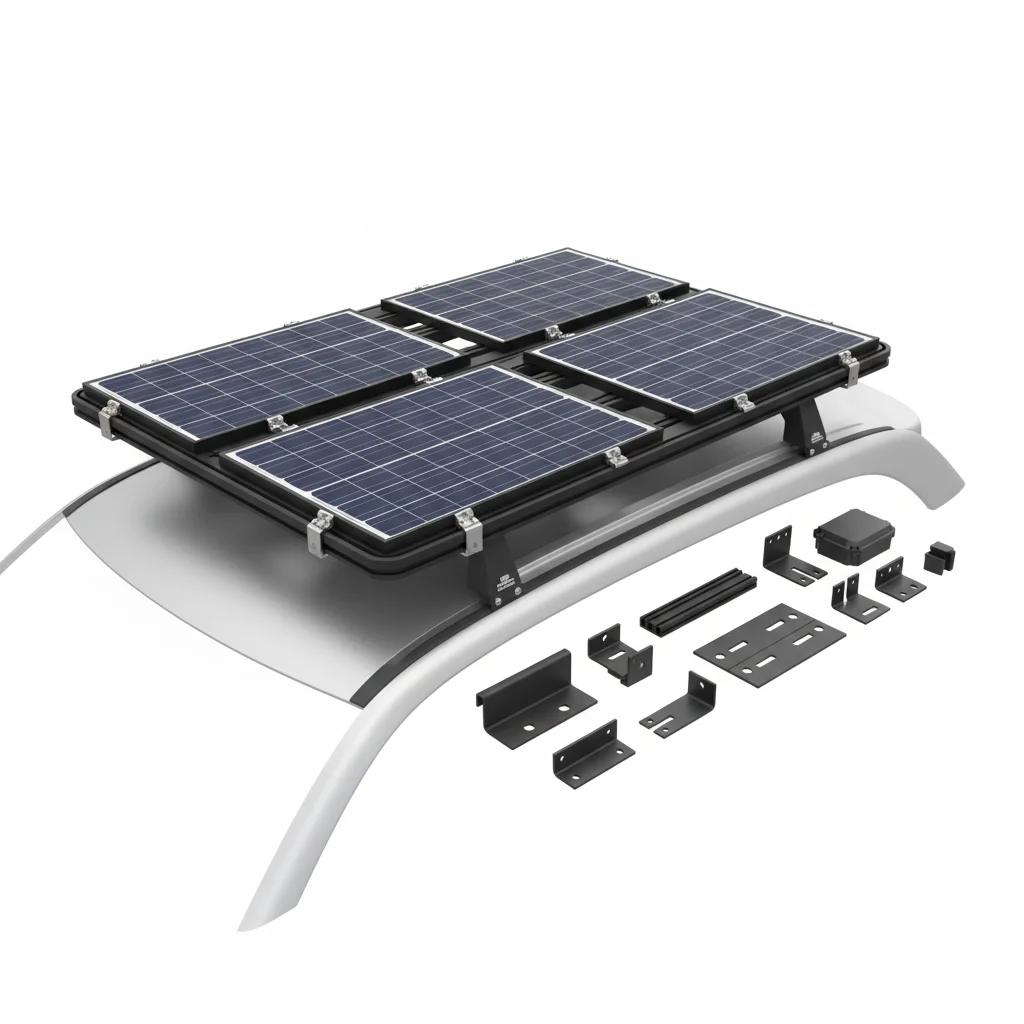
Choosing the best roof rack for solar panels involves considering several key factors, primarily the panel size, weight, and your vehicle’s roof type. For optimal stability and secure mounting, a platform-style roof rack is generally the superior choice, offering a flat, expansive surface ideal for attaching solar arrays.
Why Platform Roof Racks Excel for Solar Panel Mounting
Platform roof racks provide a robust and versatile foundation for solar panels. Unlike traditional crossbar systems, platforms offer a continuous, flat surface that distributes the weight of the panels more evenly and provides multiple attachment points. This enhanced stability is crucial, especially when driving on uneven terrain or at highway speeds, preventing movement and potential damage to the panels or your vehicle. For more automotive roof guides on this site.
Many platform racks feature integrated T-slots or channels, making it straightforward to bolt down solar panel mounting brackets. This design simplifies installation and allows for easy adjustment or removal of panels if needed. The increased surface area also means you can often mount larger or multiple smaller panels, maximizing your off-grid power generation capabilities.
Key Considerations for Selecting Your System
When selecting a roof rack for solar panels, assess your specific needs. First, measure your solar panels to ensure they fit within the dimensions of the chosen platform. Consider the total weight of your panels and mounting hardware, and verify that this combined weight does not exceed your vehicle’s roof weight capacity or the roof rack’s dynamic load rating. Materials like aluminum are preferred for their strength-to-weight ratio and corrosion resistance.
Another critical factor is the ease of wiring. Look for racks that allow for discreet routing of cables to protect them from environmental damage and maintain a clean aesthetic. Some platforms offer accessories like cable management clips or conduits. Finally, evaluate the installation process; while many platform racks are designed for DIY installation, some may benefit from professional fitting.
- Ensure the platform dimensions accommodate your solar panels.
- Verify the combined weight of panels and rack is within vehicle limits.
- Prioritize aluminum construction for durability and weight.
- Look for integrated cable management features.
- Consider ease of installation and potential for future expansion.
Top Platform Roof Rack Brands for Solar Integration
|
Our Picks for the Best Roof Rack in 2026
As an Amazon Associate I earn from qualifying purchases.
|
||
| Num | Product | Action |
|---|---|---|
| 1 | KitsPro 260lb Roof Rack Cross Bars for 2011-2021 Jeep Grand Cherokee (ONLY FIT Factory Grooved Side Rails), Matte Black Heavy Duty Aluminum Cargo Crossbar |

|
| 2 | Auto Dynasty Roof Rack Cross Bars Compatible with 2014-2018 Acura MDX, 165lbs Rooftop Cargo Bars Aluminum Anti-Corrosion Bolt-On Roof Rails for Luggage Bike Kayak Racks |
|
| 3 | munirater Universal 43.3 inch Black Roof Rack Cross Bar Top Luggage Aluminum Carrier Adjustable Window Frame 2Pcs |
|
| 4 | MAXXHAUL 50506 64" x 39" x 6" Heavy-Duty Universal Steel Roof Rack , Black |
|
| 5 | GarveeLife 51 in x 36 in Universal Roof Rack Basket, 200 LBS Capacity Rooftop Cargo Carrier Basket, Heavy Duty Luggage Holder Rack for SUVs, Trucks, Vehicles |
|
| 6 | GarveeLife 51 in x 36 in Universal Roof Rack Carrier Basket, 200 LBS Capacity Rooftop Cargo Rack, Car Top Luggage Holder Basket Heavy Duty for SUVs, Trucks, Vehicles |
|
| 7 | GarveeLife 46" x 36" Universal Roof Rack Cargo Carrier Basket, 200 Lbs Capacity Rooftop Cargo Rack, Car Top Luggage Holder Basket Heavy Duty for SUVs, Trucks, Vehicles |
|
| 8 | MaxxHaul Steel Roof Rack Cargo Basket, 46" x 36" x 4.5" Roof Top Carrier, Universal Fit for Cars, SUVs, Vans, and RVs, 150 lb Capacity, Weather-Resistant Easy-Install Cargo Storage (70115) |
|
| 9 | 64 x 39 x 6 Inch Roof Rack Basket, Heavy Duty 300LB Car Roof Rack Universal Cargo Carrier Rooftop Cargo Basket Steel Luggage Holder for SUV, Truck & Pickup |
|
| 10 | MeeFar Roof Rack Carrier Basket Universal Rooftop 51" X 36" X 5" + Waterproof Bag 15 Cubic Feet (44" 34" 17"), and Cargo Net with Attachment Hooks, Ratchet Straps |
|
Several reputable brands offer platform roof racks that are highly suitable for solar panel integration. Front Runner Slimline II and Rhino-Rack Pioneer platforms are consistently praised for their robust construction, modular design, and extensive accessory ecosystems. These systems often come with a wide array of mounting solutions, including specific brackets for solar panels, making them a popular choice among overlanders and RV enthusiasts.
Another strong contender is the Prinsu Design Studio roof rack, known for its low-profile design and strong aluminum construction. While often associated with off-road vehicles, its flat surface and T-slot channels make it an excellent candidate for secure solar panel attachment. Always check the specific model’s compatibility with your vehicle and the availability of solar panel mounting kits.
Installation Tips for a Secure Solar Setup
Proper installation is paramount for the longevity and performance of your solar panel system. Begin by thoroughly cleaning your vehicle’s roof and the roof rack mounting points. Follow the manufacturer’s instructions precisely for both the roof rack and the solar panel mounting hardware. Use thread locker on all bolts to prevent loosening due to vibrations.
When positioning your solar panels, consider potential shading from other roof-mounted gear or the vehicle itself. Aim for an orientation that maximizes sun exposure throughout the day. Secure all wiring with UV-resistant zip ties or cable clips, ensuring there are no loose cables that could snag or chafe. Regularly inspect your setup for any signs of wear or loosening, especially after long trips or exposure to harsh weather.Investing in high-quality mounting hardware specifically designed for solar panels will provide peace of mind and protect your investment.
Maintaining Your Solar-Equipped Roof Rack
Regular maintenance will extend the life of both your roof rack and solar panels. Periodically check all bolts and fasteners for tightness, particularly after the first few hundred miles of driving post-installation. Clean your solar panels regularly to remove dirt, dust, and debris, which can significantly reduce their efficiency. Use a soft cloth and mild soap, avoiding abrasive cleaners.
Inspect the roof rack for any signs of corrosion, especially if you frequently drive in coastal areas or expose it to road salt. Touch up any scratches or chips in the powder coating to prevent rust. Check the condition of all wiring and connections, ensuring they remain secure and free from damage. A well-maintained system will provide reliable power for years to come.

I went with a platform rack based on the recommendations for even weight distribution. It does a decent job, but I found that for my specific vehicle’s roof type, getting a truly level mount for the panels was a bit more challenging than expected. It works, but it took some extra shims and adjustments to get it just right. Still, it’s better than trying to use crossbars.
I’ve been looking for a solid solution to mount solar panels on my overland rig, and the advice here about platform-style roof racks was spot on. The continuous, flat surface really makes a difference for stability, especially when I’m out on rough trails. Installation was pretty straightforward with the integrated T-slots, and my panels feel super secure. Definitely recommend going this route for anyone serious about off-grid power.
This was really helpful in narrowing down my options. I appreciated the emphasis on considering panel size and weight, which I hadn’t thought about as much. I ended up getting a platform rack for my van, and it’s been great for my two 100W panels. My only minor gripe is that some of the attachment hardware felt a little flimsy, but I swapped it out for stronger bolts and now it’s perfect.
Finally got my solar setup on my SUV thanks to the insights here! The point about platform racks offering multiple attachment points was key for me. I feel much more confident driving at highway speeds knowing my panels aren’t going anywhere. It’s a robust foundation and exactly what I needed to power my camping fridge and lights.