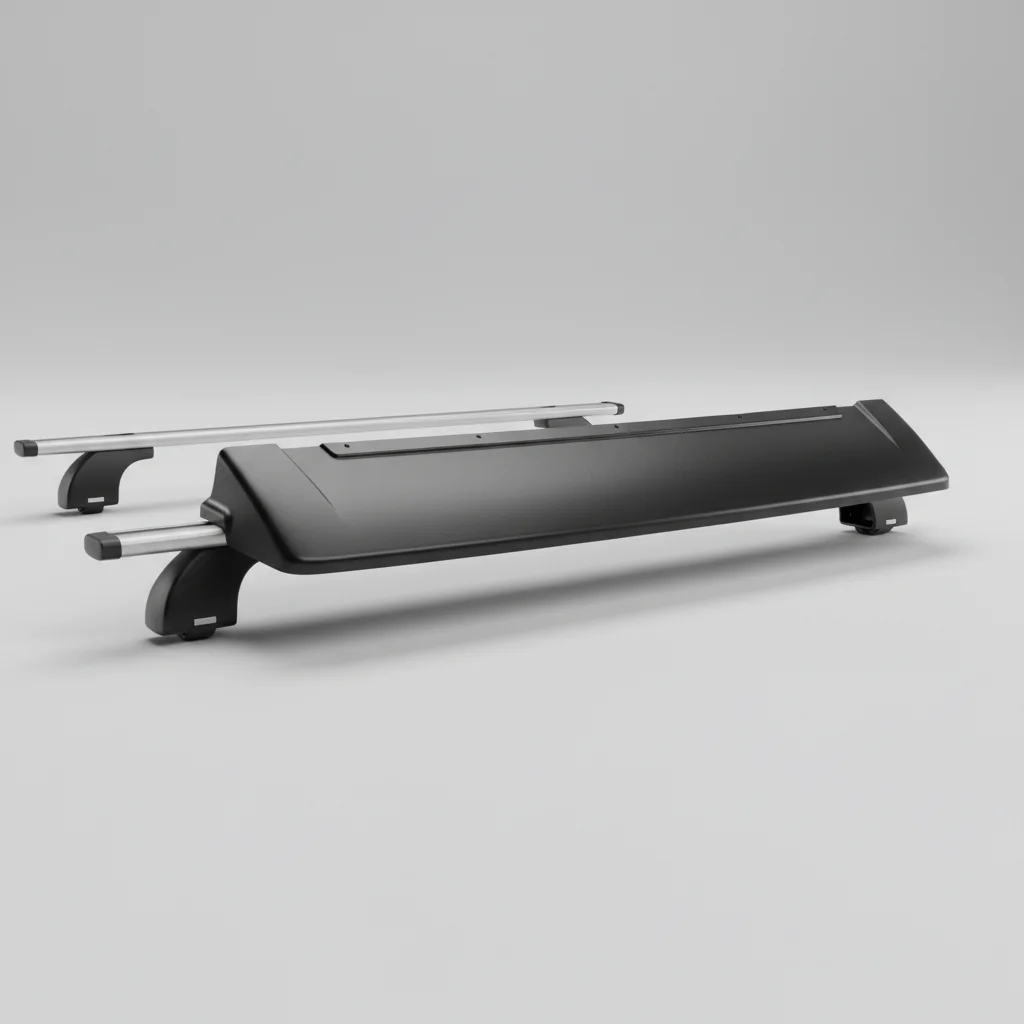
Roof rack fairings are designed to reduce wind noise and drag caused by an installed roof rack system. While often marketed as essential for a quieter ride, their effectiveness can vary significantly depending on several factors, including the specific roof rack design, vehicle aerodynamics, and the fairing’s own construction. In many cases, a well-designed fairing can indeed reduce wind noise by up to 70%, making long drives more comfortable and potentially improving fuel efficiency.
How Roof Rack Fairings Work to Minimize Noise
Roof rack fairings, also known as wind deflectors, are typically aerodynamic shields mounted on the front crossbar of a roof rack. Their primary function is to redirect airflow over and around the rack components, preventing the turbulent air that causes whistling and humming noises. By creating a smoother path for the air, fairings reduce the vibration and resonance that often occur when air hits the leading edge of crossbars and accessories. This redirection of air also contributes to a slight reduction in aerodynamic drag, which can have a minor positive impact on fuel economy, especially at highway speeds.
Factors Influencing Fairing Effectiveness
The degree to which a roof rack fairing reduces wind noise is not uniform across all setups. The shape and size of the fairing itself play a crucial role; a fairing that is too small or improperly angled may not effectively deflect air. Furthermore, the design of the roof rack system, including the profile of the crossbars (round, square, or aerodynamic wing-shaped), significantly impacts the initial noise level and thus the potential for improvement. Vehicles with flatter windshields and more upright front ends tend to generate more roof rack noise, making fairings potentially more beneficial for these types of cars. Installation quality is also paramount; a loosely mounted fairing can vibrate and create its own noise.
Choosing the Right Roof Rack Fairing for Your System
|
Our Picks for the Best Roof Rack in 2026
As an Amazon Associate I earn from qualifying purchases.
|
||
| Num | Product | Action |
|---|---|---|
| 1 | GarveeLife 51 in x 36 in Universal Roof Rack Basket, 200 LBS Capacity Rooftop Cargo Carrier Basket, Heavy Duty Luggage Holder Rack for SUVs, Trucks, Vehicles |

|
| 2 | KitsPro 260lb Roof Rack Cross Bars for 2011-2021 Jeep Grand Cherokee (ONLY FIT Factory Grooved Side Rails), Matte Black Heavy Duty Aluminum Cargo Crossbar |
|
| 3 | Auto Dynasty Roof Rack Cross Bars Compatible with 2014-2018 Acura MDX, 165lbs Rooftop Cargo Bars Aluminum Anti-Corrosion Bolt-On Roof Rails for Luggage Bike Kayak Racks |
|
| 4 | GarveeLife 51 in x 36 in Universal Roof Rack Carrier Basket, 200 LBS Capacity Rooftop Cargo Rack, Car Top Luggage Holder Basket Heavy Duty for SUVs, Trucks, Vehicles |
|
| 5 | munirater Universal 43.3 inch Black Roof Rack Cross Bar Top Luggage Aluminum Carrier Adjustable Window Frame 2Pcs |
|
| 6 | MeeFar Roof Rack Carrier Basket Universal Rooftop 51" X 36" X 5" + Waterproof Bag 15 Cubic Feet (44" 34" 17"), and Cargo Net with Attachment Hooks, Ratchet Straps |
|
| 7 | MAXXHAUL 50506 64" x 39" x 6" Heavy-Duty Universal Steel Roof Rack , Black |
|
| 8 | MaxxHaul Steel Roof Rack Cargo Basket, 46" x 36" x 4.5" Roof Top Carrier, Universal Fit for Cars, SUVs, Vans, and RVs, 150 lb Capacity, Weather-Resistant Easy-Install Cargo Storage (70115) |
|
| 9 | GarveeLife 46" x 36" Universal Roof Rack Cargo Carrier Basket, 200 Lbs Capacity Rooftop Cargo Rack, Car Top Luggage Holder Basket Heavy Duty for SUVs, Trucks, Vehicles |
|
| 10 | 64 x 39 x 6 Inch Roof Rack Basket, Heavy Duty 300LB Car Roof Rack Universal Cargo Carrier Rooftop Cargo Basket Steel Luggage Holder for SUV, Truck & Pickup |
|
When selecting a roof rack fairing, compatibility with your existing roof rack brand and model is the first consideration. Many fairings are designed to integrate seamlessly with specific crossbar profiles and mounting points. Look for fairings made from durable, UV-resistant materials like ABS plastic or acrylic, as they will withstand prolonged exposure to the elements. Adjustable mounting hardware is a plus, allowing for fine-tuning of the fairing’s position to optimize noise reduction. Consider the aesthetic impact as well; some fairings are designed to blend more discreetly with the vehicle’s lines than others.
Installation Tips for Optimal Noise Reduction
Proper installation is key to maximizing the benefits of a roof rack fairing. Ensure the fairing is centered on the front crossbar and positioned at an angle that effectively deflects air over the entire rack system. Most manufacturers provide specific instructions for their fairings, which should be followed closely. It’s often recommended to test the fairing at various speeds after installation to identify any remaining noise sources and make minor adjustments. Sometimes, even a slight change in angle or height can make a noticeable difference. Regularly check the mounting hardware to ensure it remains secure, as vibrations can loosen fasteners over time.
Beyond Fairings: Other Noise Reduction Strategies
While fairings are effective, they are not the only solution for a quieter roof rack. Here are some additional strategies:
- Aerodynamic Crossbars: Investing in wing-shaped crossbars can significantly reduce initial wind noise compared to traditional square or round bars.
- Proper Loading: Securely fastening all cargo and accessories prevents them from vibrating or creating additional drag.
- Rubber Strips/Inserts: Many crossbars come with rubber strips that fill the T-slots, reducing whistling noises. Ensure these are properly installed.
- Remove When Not in Use: The simplest way to eliminate roof rack noise is to remove the entire system when it’s not needed.
- Check for Gaps: Inspect your roof rack for any small gaps or openings where air can create turbulence and noise.
By combining a well-chosen and properly installed fairing with these other strategies, you can achieve a remarkably quiet roof rack experience.

I picked up a basic fairing for my Yakima rack, and it definitely helped with the wind noise. It’s not a 100% silent ride, but the reduction is noticeable, probably around 50-60% quieter. For the price, it’s a solid upgrade to cut down on that constant hum.
My vehicle always had a lot of wind turbulence with the roof box on, and it was driving me crazy. Adding a fairing made a massive difference in redirecting the airflow. It’s so much quieter now, even at higher speeds. Definitely worth it for anyone with a cargo carrier.
I was skeptical about fairings, but after installing one on my Thule system, the difference is night and day. The whistling I used to get on the highway is almost completely gone. It really does make long drives so much more comfortable, especially with the bike racks up there.
I got a fairing hoping for a big change in fuel efficiency, but I haven’t really seen a huge improvement there. It did reduce some of the wind noise, which is good, but I was really hoping for more of a boost in MPG. Installation was pretty straightforward though.