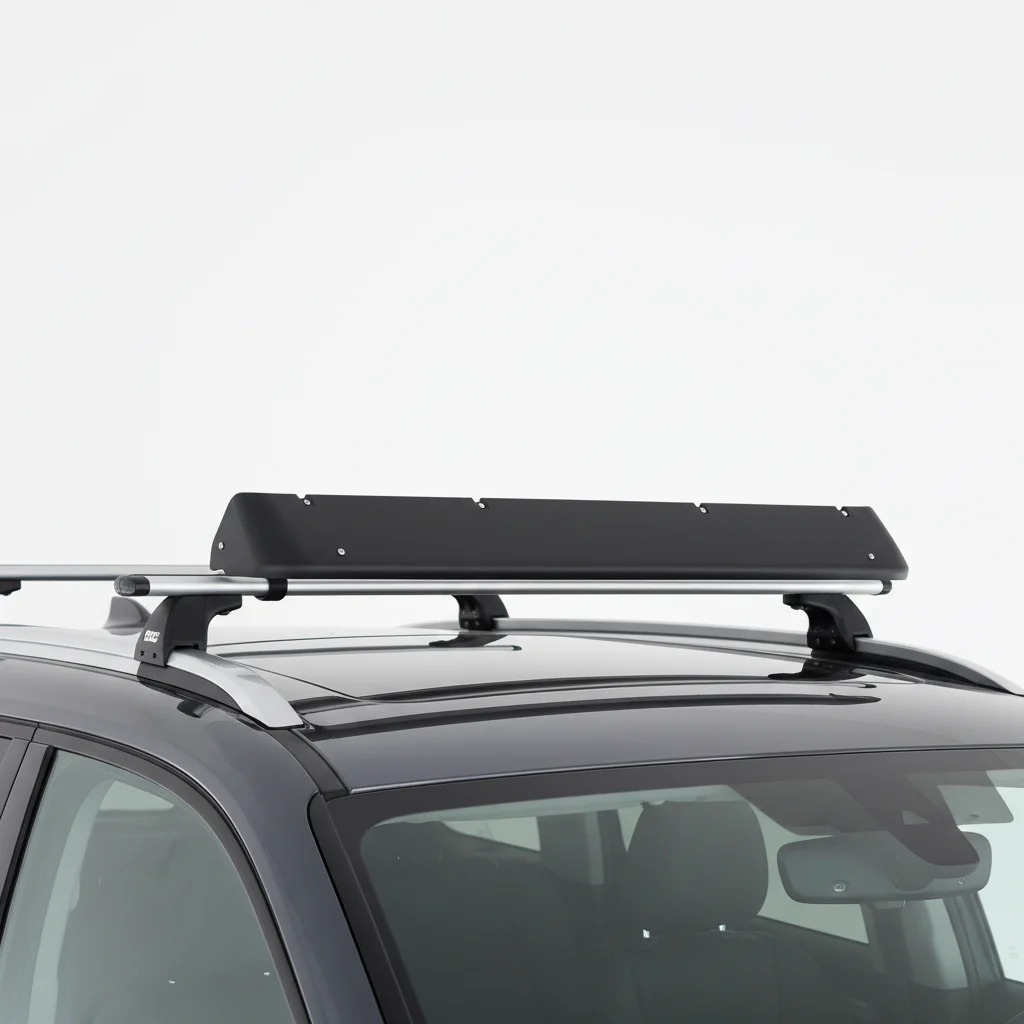
Roof rack fairings are designed to improve the aerodynamics of your vehicle’s roof rack system, primarily by reducing wind noise and drag. While their effectiveness can vary depending on the specific fairing design and roof rack setup, they generally do reduce wind noise by a noticeable margin, often by as much as 50% to 70% in many cases. This improvement is achieved by deflecting airflow over the front of the crossbars, preventing the turbulent air that causes whistling and humming sounds.
The primary function of a roof rack fairing is to streamline the airflow over the leading edge of your roof rack. Without a fairing, air hits the front of the crossbars directly, creating turbulence and generating noise. A fairing, typically made of a durable plastic or composite material, creates a smooth transition for the air, guiding it up and over the rack components. This not only makes for a quieter ride but can also contribute to a slight improvement in fuel efficiency by reducing aerodynamic drag.
How Roof Rack Fairings Work to Minimize Noise
Roof rack fairings operate on the principle of aerodynamics. When air flows over an object, it can create drag and turbulence. On a roof rack, the square or rectangular crossbars act as obstacles, disrupting the smooth flow of air over your vehicle. This disruption leads to vortex shedding, which is the primary cause of the whistling and humming noises often associated with roof racks. A fairing acts as a shield, deflecting the air upwards and over the crossbars, preventing it from directly impacting them. This smooths out the airflow, significantly reducing the turbulent eddies that generate sound.
The angle and curvature of the fairing are crucial to its effectiveness. A well-designed fairing will have a gentle slope that guides the air efficiently, minimizing the creation of new turbulence. Some fairings also incorporate small gaps or channels to further optimize airflow and reduce pressure differentials. The material choice also plays a role; rigid materials are less likely to vibrate and contribute to noise themselves.
Installation and Compatibility Considerations
Installing a roof rack fairing is typically a straightforward process, often involving clamps or straps that secure it to the front crossbar. Most fairings are designed to be universal or semi-universal, fitting a wide range of crossbar shapes and sizes, including round, square, and aerodynamic bars. However, it’s essential to check the fairing’s specifications for compatibility with your specific roof rack brand and model. Some fairings are designed for specific brands like Thule or Yakima, offering a more integrated look and potentially better performance.
Before purchasing, measure the width of your roof rack’s front crossbar to ensure the fairing you choose is the correct size. An improperly sized fairing may not be as effective at reducing noise or could even create new aerodynamic issues. Ensure the fairing does not obstruct any sunroof operation or interfere with the mounting of other accessories like bike racks or cargo boxes. Proper installation is key to both its noise-reducing capabilities and its security on your vehicle.
Beyond Noise Reduction: Other Benefits of Fairings
|
Our Picks for the Best Roof Rack in 2026
As an Amazon Associate I earn from qualifying purchases.
|
||
| Num | Product | Action |
|---|---|---|
| 1 | GarveeLife 46" x 36" Universal Roof Rack Cargo Carrier Basket, 200 Lbs Capacity Rooftop Cargo Rack, Car Top Luggage Holder Basket Heavy Duty for SUVs, Trucks, Vehicles |

|
| 2 | Auto Dynasty Roof Rack Cross Bars Compatible with 2014-2018 Acura MDX, 165lbs Rooftop Cargo Bars Aluminum Anti-Corrosion Bolt-On Roof Rails for Luggage Bike Kayak Racks |
|
| 3 | 64 x 39 x 6 Inch Roof Rack Basket, Heavy Duty 300LB Car Roof Rack Universal Cargo Carrier Rooftop Cargo Basket Steel Luggage Holder for SUV, Truck & Pickup |
|
| 4 | MaxxHaul Steel Roof Rack Cargo Basket, 46" x 36" x 4.5" Roof Top Carrier, Universal Fit for Cars, SUVs, Vans, and RVs, 150 lb Capacity, Weather-Resistant Easy-Install Cargo Storage (70115) |
|
| 5 | MeeFar Roof Rack Carrier Basket Universal Rooftop 51" X 36" X 5" + Waterproof Bag 15 Cubic Feet (44" 34" 17"), and Cargo Net with Attachment Hooks, Ratchet Straps |
|
| 6 | munirater Universal 43.3 inch Black Roof Rack Cross Bar Top Luggage Aluminum Carrier Adjustable Window Frame 2Pcs |
|
| 7 | MAXXHAUL 50506 64" x 39" x 6" Heavy-Duty Universal Steel Roof Rack , Black |
|
| 8 | GarveeLife 51 in x 36 in Universal Roof Rack Carrier Basket, 200 LBS Capacity Rooftop Cargo Rack, Car Top Luggage Holder Basket Heavy Duty for SUVs, Trucks, Vehicles |
|
| 9 | GarveeLife 51 in x 36 in Universal Roof Rack Basket, 200 LBS Capacity Rooftop Cargo Carrier Basket, Heavy Duty Luggage Holder Rack for SUVs, Trucks, Vehicles |
|
| 10 | KitsPro 260lb Roof Rack Cross Bars for 2011-2021 Jeep Grand Cherokee (ONLY FIT Factory Grooved Side Rails), Matte Black Heavy Duty Aluminum Cargo Crossbar |
|
While noise reduction is the primary benefit, roof rack fairings offer several other advantages. By reducing aerodynamic drag, they can contribute to a marginal improvement in fuel economy, especially on highway drives. This saving, while small per trip, can add up over time. Fairings also provide a degree of protection for your cargo and roof rack components from road debris and insects, acting as a first line of defense.
Furthermore, a fairing can enhance the aesthetic appeal of your roof rack system, giving it a more finished and integrated look. Many fairings are designed to complement the lines of modern vehicles, making the roof rack appear less obtrusive. They can also serve as a convenient place to mount small accessories or even display branding, though their primary role remains functional.
Choosing the Right Roof Rack Fairing for Your Needs
When selecting a roof rack fairing, consider several factors to ensure you get the best performance. The size and shape of your existing crossbars are paramount for compatibility. Look for fairings made from durable, UV-resistant materials that can withstand various weather conditions without cracking or fading. The mounting mechanism should be secure and easy to install, allowing for quick removal if needed.
- Crossbar Compatibility: Ensure the fairing fits your specific crossbar shape (round, square, aero).
- Material Durability: Opt for high-quality, weather-resistant plastics or composites.
- Installation Ease: Look for simple, secure clamping or strapping mechanisms.
- Aesthetic Integration: Choose a fairing that complements your vehicle and roof rack’s appearance.
- Brand Reputation: Consider fairings from reputable roof rack accessory manufacturers.
Reading reviews from other users can also provide valuable insights into the real-world performance of different fairing models. Some fairings are known for being exceptionally quiet, while others might offer a better balance of aesthetics and functionality. Ultimately, the best fairing for you will depend on your specific roof rack setup, your vehicle, and your priorities for noise reduction and overall performance.Investing in a quality fairing can significantly improve your driving experience with a roof rack, making long journeys much more pleasant.
Potential Drawbacks and What to Expect
While roof rack fairings offer significant benefits, it’s important to be aware of potential drawbacks. One common concern is that a fairing might slightly increase the overall height of your roof rack system, which could be an issue for vehicles with tight garage clearances. Additionally, some fairings, particularly those with a very aggressive angle, might slightly reduce the usable length of your front crossbar, potentially impacting the mounting of certain accessories.
Another point to consider is that while fairings drastically reduce wind noise, they may not eliminate it entirely, especially at very high speeds or in strong crosswinds. The degree of noise reduction can also be influenced by the specific design of your vehicle’s roof and windshield, as well as the type of cargo you are carrying. However, for most users, the improvement in cabin quietness is substantial enough to justify the investment. Regular cleaning of the fairing and its mounting points will also help maintain its effectiveness and prevent any unwanted vibrations.
