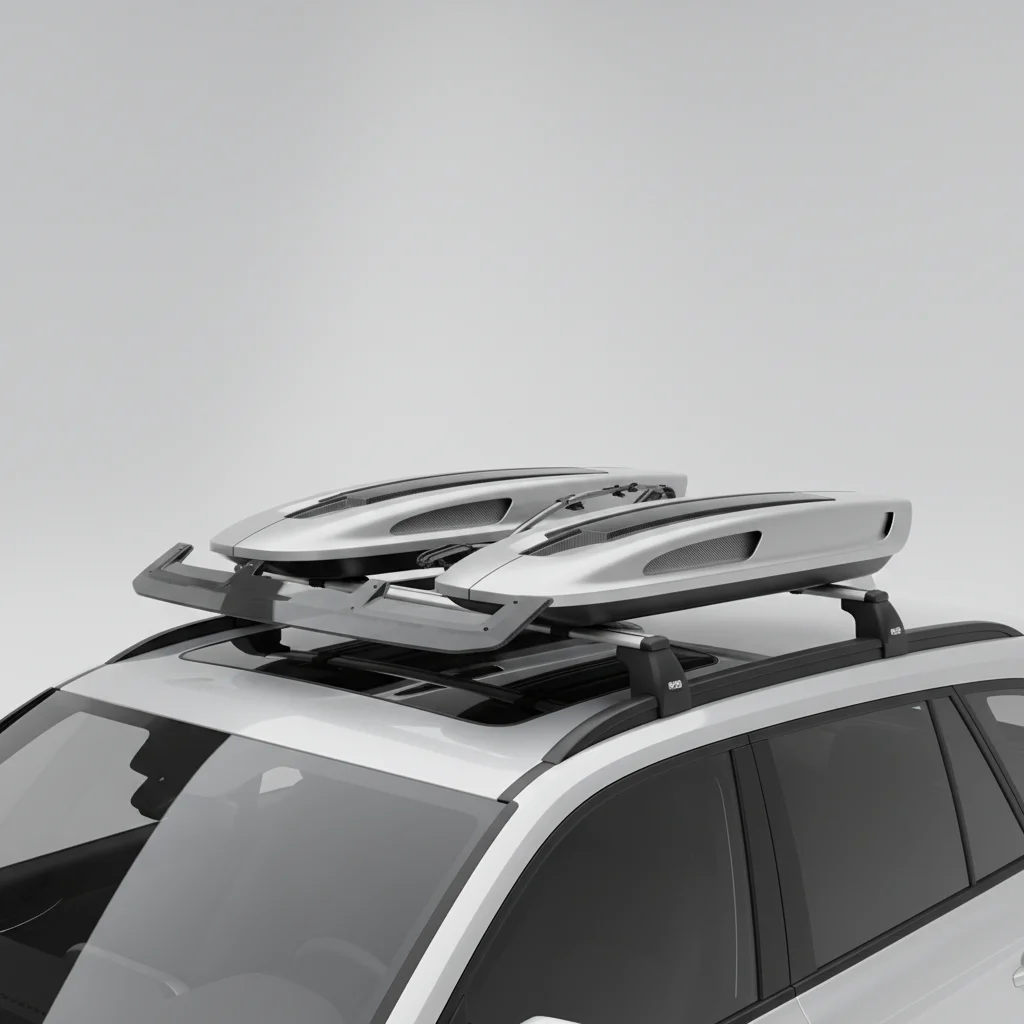
Reducing wind noise and drag from your roof rack is achievable through several key strategies, primarily focusing on aerodynamic design, proper installation, and the use of specific accessories. By implementing these methods, you can significantly improve fuel efficiency and enjoy a quieter ride, especially at highway speeds.
Understanding Aerodynamic Principles for Roof Racks
The primary culprits for wind noise and drag are the crossbars and any mounted accessories. Square or round bars create more turbulence than aerodynamically shaped bars. When air flows over an object, it can separate, creating vortices that manifest as noise and resistance. Minimizing these disruptions is crucial for optimal performance.
Consider the design of modern aero bars, which often feature a teardrop or wing-like profile. This shape allows air to flow smoothly over and around the bar, reducing the pressure differential that causes drag and noise. Even small gaps or protrusions can contribute to unwanted sound, highlighting the importance of a streamlined setup.
Choosing the Right Roof Rack System
When selecting a new roof rack, prioritize systems designed with aerodynamics in mind. Many manufacturers now offer low-profile and integrated designs that sit closer to the vehicle’s roof, reducing the overall height and exposure to airflow. Look for crossbars with an elliptical or wing-shaped profile, as these are engineered to cut through the air more efficiently.
- Integrated flush rail systems offer the lowest profile.
- Aerodynamic crossbar shapes (e.g., wing-shaped) minimize turbulence.
- T-slot channels allow accessories to be mounted flush, reducing protrusions.
- Rubber strips in the T-slots can further reduce wind noise.
- Consider the material; some composites can be lighter and more aerodynamic.
Installation Techniques for Optimal Airflow
|
Our Picks for the Best Roof Rack in 2026
As an Amazon Associate I earn from qualifying purchases.
|
||
| Num | Product | Action |
|---|---|---|
| 1 | Auto Dynasty Roof Rack Cross Bars Compatible with 2014-2018 Acura MDX, 165lbs Rooftop Cargo Bars Aluminum Anti-Corrosion Bolt-On Roof Rails for Luggage Bike Kayak Racks |

|
| 2 | munirater Universal 43.3 inch Black Roof Rack Cross Bar Top Luggage Aluminum Carrier Adjustable Window Frame 2Pcs |
|
| 3 | MeeFar Roof Rack Carrier Basket Universal Rooftop 51" X 36" X 5" + Waterproof Bag 15 Cubic Feet (44" 34" 17"), and Cargo Net with Attachment Hooks, Ratchet Straps |
|
| 4 | GarveeLife 46" x 36" Universal Roof Rack Cargo Carrier Basket, 200 Lbs Capacity Rooftop Cargo Rack, Car Top Luggage Holder Basket Heavy Duty for SUVs, Trucks, Vehicles |
|
| 5 | MaxxHaul Steel Roof Rack Cargo Basket, 46" x 36" x 4.5" Roof Top Carrier, Universal Fit for Cars, SUVs, Vans, and RVs, 150 lb Capacity, Weather-Resistant Easy-Install Cargo Storage (70115) |
|
| 6 | KitsPro 260lb Roof Rack Cross Bars for 2011-2021 Jeep Grand Cherokee (ONLY FIT Factory Grooved Side Rails), Matte Black Heavy Duty Aluminum Cargo Crossbar |
|
| 7 | 64 x 39 x 6 Inch Roof Rack Basket, Heavy Duty 300LB Car Roof Rack Universal Cargo Carrier Rooftop Cargo Basket Steel Luggage Holder for SUV, Truck & Pickup |
|
| 8 | GarveeLife 51 in x 36 in Universal Roof Rack Basket, 200 LBS Capacity Rooftop Cargo Carrier Basket, Heavy Duty Luggage Holder Rack for SUVs, Trucks, Vehicles |
|
| 9 | MAXXHAUL 50506 64" x 39" x 6" Heavy-Duty Universal Steel Roof Rack , Black |
|
| 10 | GarveeLife 51 in x 36 in Universal Roof Rack Carrier Basket, 200 LBS Capacity Rooftop Cargo Rack, Car Top Luggage Holder Basket Heavy Duty for SUVs, Trucks, Vehicles |
|
Proper installation plays a significant role in minimizing wind noise and drag. Ensure that all components are securely fastened and aligned correctly. Misaligned crossbars can create uneven airflow, leading to increased turbulence. Pay close attention to the spacing between the crossbars; consult your vehicle and roof rack manufacturer’s recommendations for optimal placement.
Additionally, ensure that any unused T-slots are covered with the provided rubber strips. These seemingly small details prevent air from whistling through the channels. When mounting accessories, position them as centrally and low as possible to maintain a balanced and aerodynamic profile.
Utilizing Aerodynamic Accessories
Several accessories are specifically designed to reduce wind noise and drag. Wind fairings, also known as wind deflectors, are a popular and effective solution. These plastic or rubber shields attach to the front crossbar and redirect airflow over the rack and its contents, significantly reducing whistling and buffeting sounds. They are particularly effective with square bar systems.
For cargo boxes, choose models with an aerodynamic shape. Many modern cargo boxes are designed with a sleek, low-profile form factor that integrates well with the vehicle’s roofline. When not in use, consider removing your roof rack or any large accessories to eliminate unnecessary drag and noise.
Maintenance and Regular Checks
Regular maintenance can also contribute to a quieter and more efficient roof rack system. Periodically check all bolts and fasteners to ensure they are tight. Loose components can vibrate and create additional noise. Inspect rubber seals and strips for wear and tear, replacing them as needed to maintain a tight seal and prevent air leaks.
Keeping your roof rack clean can also help. Accumulated dirt and debris can alter the aerodynamic profile, even if subtly. A quick wash can ensure that the surfaces remain smooth and allow air to flow as intended. By consistently applying these strategies, you can enjoy the utility of your roof rack without the common drawbacks of excessive noise and reduced fuel economy.
