Removing an old roof rack without scratching your vehicle is a straightforward DIY project that can be completed with careful planning, the right tools, and patience. By following a systematic approach, vehicle owners can improve fuel efficiency, enhance aesthetics, and prevent potential damage to their car’s paintwork. This guide details the necessary steps, from preparation to final clean-up, ensuring a scratch-free removal process.
Why Remove Your Roof Rack?
Many vehicle owners consider roof rack removal for several compelling reasons. A primary motivation is often the desire for improved fuel efficiency. Roof racks, even when empty, create significant aerodynamic drag, which can lead to higher fuel consumption, particularly at highway speeds. Removing the rack can result in a tangible difference in your vehicle’s economy.
Beyond practicality, aesthetics play a crucial role. A clean, uncluttered roofline can significantly enhance your vehicle’s appearance, restoring its original design. Removing the rack also provides access to hard-to-reach areas of your roof for thorough cleaning and waxing, ensuring consistent paint protection. For those who frequently navigate areas with low clearances, such as parking garages or drive-throughs, removing a tall roof rack eliminates the constant worry of potential collisions, offering peace of mind and greater accessibility. Finally, leaving an unused roof rack exposed to the elements can lead to premature wear and tear, and in some cases, even encourage rust formation around mounting points, which can degrade your vehicle’s structural integrity over time.
Types of Roof Racks and Their Removal Considerations
Understanding the specific type of roof rack installed on your vehicle is the first critical step in planning a scratch-free removal. Different designs employ varying mounting mechanisms, each requiring a tailored approach to ensure safety and prevent damage.
-
Factory/Integrated Rails: Many modern SUVs and wagons come equipped with factory-installed side rails that run front-to-back along the roof. Crossbars are then typically attached to these rails. Removal usually involves detaching the crossbars from the rails, often by loosening bolts or levers hidden under end caps. In some cases, the entire rail system might be bolted directly to the roof under trim pieces or weather stripping.
-
Aftermarket Crossbars (Clamp-on, Gutter Mount, Fixed Point): Aftermarket systems offer immense versatility, but their removal methods vary.
- Clamp-on systems often attach to the door frames, using clamps that tighten around the roof’s edge. These usually involve loosening a series of bolts or quick-release levers.
- Gutter mount racks, typically found on older vehicles or those with prominent rain gutters, secure directly into these channels. Their removal involves unfastening the mounting feet from the gutter.
- Fixed point systems utilize pre-existing threaded inserts in your vehicle’s roof. The rack feet bolt directly into these points, often concealed by small covers. Removal involves removing these covers and then unscrewing the bolts.
-
Roof Boxes/Baskets: These are accessories, not primary roof racks, but they must always be removed before attempting to dismantle the underlying crossbars or rails. They usually attach to the crossbars with quick-release clamps or U-bolts, making their removal straightforward and essential for better access to the main rack components.
Familiarizing yourself with your specific rack type, ideally by consulting your vehicle’s owner’s manual or the roof rack manufacturer’s instructions, will provide invaluable insight into the exact tools and steps required for a smooth, damage-free removal process.
Essential Tools for a Scratch-Free Removal
Having the right tools at hand is paramount for a successful and scratch-free roof rack removal. Generic tools might get the job done, but specific items can make the process significantly smoother and safer for your vehicle’s finish.
- Socket/Wrench Set: This is often the most crucial kit. Depending on your roof rack’s fasteners, you’ll likely need a range of metric or SAE sockets, combination wrenches, Allen (hex) keys, or Torx bits. Many factory and aftermarket racks use specific Torx head bolts (e.g., T30). Ensure you have the correct size to prevent stripping the bolt heads.
- Screwdrivers: Both flathead and Phillips head screwdrivers may be needed for prying open plastic covers or removing smaller screws.
- Penetrating Oil: For older racks, bolts can become corroded or seized. Products like WD-40 Specialist Penetrant or PB Blaster are invaluable for loosening stubborn fasteners. Apply liberally and allow it to penetrate for at least 15-30 minutes, or even overnight for heavily corroded bolts.
- Soft Cloths/Towels: Keep several clean, soft microfibre cloths or old towels handy. These are essential for protecting your vehicle’s paintwork from accidental scratches, especially when prying or maneuvering rack components. Placing them around mounting points provides a crucial buffer.
- Cleaning Supplies: After removal, you’ll want to clean the contact areas thoroughly. A good automotive degreaser, car soap, and a soft sponge will help remove grime, dirt, and old sealant residues. Have car wax or paint sealant ready to protect the exposed paint.
- Headlamp/Good Lighting: Clear visibility of all mounting points and fasteners is critical. A bright headlamp or a portable work light will illuminate cramped spaces and hidden bolts, reducing the chance of error.
- Step Stool/Ladder: Depending on your vehicle’s height, a sturdy step stool or ladder will allow you to comfortably reach all parts of the roof rack, providing better leverage and control, minimizing strain and awkward movements.
Having these tools organized and within reach before you begin will streamline the process and significantly reduce the risk of damage, making your DIY roof rack removal a straightforward task.
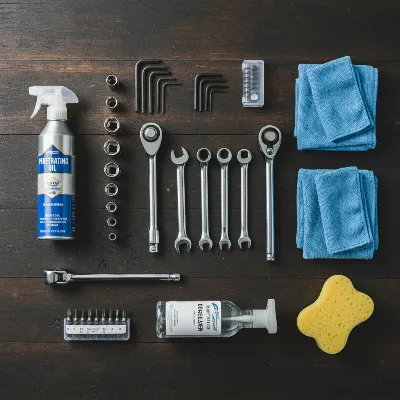 Essential tools for a scratch-free roof rack removal, including wrenches, penetrating oil, and cloths.
Step-by-Step Guide to Removing Your Roof Rack Safely
Removing an old roof rack without causing damage requires a methodical approach. Follow these steps carefully to ensure a smooth, scratch-free process.
1. Prepare Your Vehicle and Workspace
|
Our Picks for the Best Roof Rack in 2026
As an Amazon Associate I earn from qualifying purchases.
|
||
| Num | Product | Action |
|---|---|---|
| 1 | Auto Dynasty Roof Rack Cross Bars Compatible with 2014-2018 Acura MDX, 165lbs Rooftop Cargo Bars Aluminum Anti-Corrosion Bolt-On Roof Rails for Luggage Bike Kayak Racks |

|
| 2 | KitsPro 260lb Roof Rack Cross Bars for 2011-2021 Jeep Grand Cherokee (ONLY FIT Factory Grooved Side Rails), Matte Black Heavy Duty Aluminum Cargo Crossbar |
|
| 3 | MaxxHaul Steel Roof Rack Cargo Basket, 46" x 36" x 4.5" Roof Top Carrier, Universal Fit for Cars, SUVs, Vans, and RVs, 150 lb Capacity, Weather-Resistant Easy-Install Cargo Storage (70115) |
|
| 4 | MAXXHAUL 50506 64" x 39" x 6" Heavy-Duty Universal Steel Roof Rack , Black |
|
| 5 | 64 x 39 x 6 Inch Roof Rack Basket, Heavy Duty 300LB Car Roof Rack Universal Cargo Carrier Rooftop Cargo Basket Steel Luggage Holder for SUV, Truck & Pickup |
|
| 6 | GarveeLife 51 in x 36 in Universal Roof Rack Carrier Basket, 200 LBS Capacity Rooftop Cargo Rack, Car Top Luggage Holder Basket Heavy Duty for SUVs, Trucks, Vehicles |
|
| 7 | GarveeLife 51 in x 36 in Universal Roof Rack Basket, 200 LBS Capacity Rooftop Cargo Carrier Basket, Heavy Duty Luggage Holder Rack for SUVs, Trucks, Vehicles |
|
| 8 | GarveeLife 46" x 36" Universal Roof Rack Cargo Carrier Basket, 200 Lbs Capacity Rooftop Cargo Rack, Car Top Luggage Holder Basket Heavy Duty for SUVs, Trucks, Vehicles |
|
| 9 | MeeFar Roof Rack Carrier Basket Universal Rooftop 51" X 36" X 5" + Waterproof Bag 15 Cubic Feet (44" 34" 17"), and Cargo Net with Attachment Hooks, Ratchet Straps |
|
| 10 | munirater Universal 43.3 inch Black Roof Rack Cross Bar Top Luggage Aluminum Carrier Adjustable Window Frame 2Pcs |
|
Before you even touch a bolt, proper preparation is key. Park your vehicle on a level, stable surface, ideally in a garage or shaded area to avoid working under direct sunlight. This provides a safe, comfortable environment and ensures the car won’t roll. Give the roof and the roof rack itself a good wash to remove any dirt, grit, or debris that could cause scratches during removal. Take several photos of the roof rack from different angles. This documentation can be helpful for reinstallation or if you need to reference how specific parts were attached. Finally, lay down soft cloths or towels around the mounting points and along the edges of the roof where tools or rack components might rest.
2. Remove Any Accessories
If your vehicle has additional accessories like bike racks, ski carriers, or a cargo box mounted on the crossbars, these must be removed first. They typically attach with clamps, knobs, or U-bolts that are designed for easy detachment. Removing these items reduces weight, improves access to the main rack components, and prevents them from interfering with the removal process or potentially falling and causing damage.
3. Locate and Access Mounting Points
This is where understanding your roof rack type comes into play. Most roof racks attach at specific mounting points along the roof. For factory rails, you might need to pop off plastic end caps or slide covers to reveal bolts. Aftermarket systems might have clamps that secure directly to the door frame, or feet that bolt into fixed points under small covers or weather stripping. Consult your vehicle’s owner’s manual or the roof rack manufacturer’s guide if you’re unsure. Use good lighting to clearly see all fasteners and their locations.
4. Address Stubborn Bolts and Rust
Older racks, particularly those exposed to harsh weather, often have corroded or seized bolts. Before applying force, generously spray each stubborn bolt with penetrating oil. Allow it to soak for at least 15-30 minutes, or even longer if the rust is severe. The oil will work its way into the threads, making it easier to loosen the bolts. Gently attempt to turn the bolts; if they resist, apply more oil and wait. Avoid stripping the bolt heads by using the correct size tool and applying steady, even pressure. If a bolt is extremely stubborn, a wire brush might help clean visible rust before reapplying oil.
5. Loosen and Remove Fasteners
Once you have located all mounting points and dealt with any stubborn bolts, begin loosening the fasteners. It’s often best to work systematically, for instance, from the outside in or from front to back, or even diagonally, to release tension evenly. For crossbars, loosen the bolts that secure them to the side rails or mounting feet. For full rack systems, carefully loosen all bolts connecting the rack feet to the vehicle’s roof. As you remove bolts, keep them organized in a container, labeling them if necessary, especially if they vary in size or type. This will be invaluable if you plan to reinstall the rack or need to seal the holes.
6. Carefully Lift and Remove the Rack
With all fasteners removed or sufficiently loosened, the entire roof rack, or individual crossbars, should now be free. This is the moment to be extra cautious to prevent scratches. If it’s a large or heavy rack system, enlist the help of a second person. Together, slowly and carefully lift the rack straight up and away from the vehicle. Avoid dragging it across the roof paint at all costs. Maneuver it clear of the vehicle and set it down gently on a protected surface, such as cardboard or blankets, away from your car.
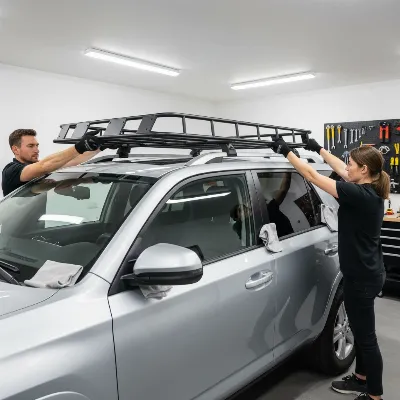 Two people carefully lifting a large roof rack off a car to prevent scratching.
7. Clean and Protect Mounting Areas
Once the roof rack is off, you’ll likely find accumulated dirt, debris, and perhaps some residue around the former mounting points. Clean these areas thoroughly using a degreaser and car soap, ensuring all grime is removed. Inspect the paint surface for any signs of wear, minor scratches, or potential rust spots. If holes were left behind (as with fixed-point systems or removed factory rails), it is crucial to seal them to prevent water ingress and potential leaks or rust. Use automotive-grade silicone sealant or rubber plugs designed for this purpose. Finish by waxing or applying a paint sealant to the newly exposed areas of your roof, blending them seamlessly with the rest of the car’s paintwork for long-lasting protection.
> “The secret to a pristine finish after roof rack removal lies in meticulous preparation and unwavering patience. Rushing through the final lift or neglecting the post-removal cleaning are the most common mistakes.” – Sarah Jenkins, Automotive Detail Specialist
Important Tips for a Flawless Removal
Achieving a flawless, scratch-free roof rack removal often boils down to a few key principles that can make all the difference.
- Patience is Key: Never rush the process. Forcing stubborn bolts or attempting to yank off a resistant rack is a surefire way to cause damage. Take your time with each step, especially when dealing with rusted components or complex mounting systems. A few extra minutes of patience can save you hours of repair work or costly paint touch-ups.
- Avoid Brute Force: If a bolt isn’t turning, or a component isn’t coming loose, re-evaluate rather than applying excessive force. Reapply penetrating oil, check for hidden fasteners, or consult your manual again. Brute force can strip bolts, break plastic components, or worse, bend metal parts of your vehicle or the rack itself.
- Work with a Helper: For larger roof racks, or if you’re concerned about control, having a second person is invaluable. A helper can assist with lifting, stabilize the rack, or simply provide an extra set of eyes to spot potential hazards, significantly reducing the risk of dropping components or scratching your paint.
- Clean As You Go: As you loosen bolts and remove components, periodically wipe away any dirt or grit that gets dislodged. This prevents abrasive particles from being dragged across your vehicle’s paint, which is a common cause of superficial scratches during DIY projects.
- Protect Your Paint: Beyond laying down cloths, consider using painter’s tape along the edges of areas where tools might accidentally slip or where the rack might pivot. This provides an additional layer of protection against unexpected bumps or scrapes, especially in tight areas.
By adhering to these fundamental tips, you’ll not only remove your old roof rack efficiently but also ensure your vehicle’s exterior remains as pristine as it was before the project began.
Conclusion
Removing an old roof rack without scratching your vehicle is a thoroughly achievable DIY project, provided you approach it with careful planning, the right tools, and a good measure of patience. By systematically preparing your workspace, identifying your rack type, meticulously addressing each fastener, and cautiously lifting the components, you can ensure a flawless outcome. The benefits of this effort are clear: improved fuel efficiency, a cleaner aesthetic, and the peace of mind that comes from protecting your vehicle’s paintwork from unnecessary damage.
This process not only restores your car’s original lines but also offers an opportunity to clean and protect areas that may have been neglected for years. So, are you ready to reclaim your vehicle’s pristine roofline and enjoy the numerous advantages of going rack-free?
Frequently Asked Questions
Can removing a roof rack improve my car’s fuel efficiency?
Yes, absolutely. Roof racks, even when empty, create aerodynamic drag, which can increase fuel consumption. Removing them can lead to a noticeable improvement in your vehicle’s fuel economy, especially on highway drives, by reducing air resistance.
What should I do if a roof rack bolt is rusted and won’t budge?
If a bolt is rusted, apply a generous amount of penetrating oil to it and let it soak for at least 15-30 minutes, or even overnight for severe corrosion. Use the correct size tool to avoid stripping the bolt head. If it still won’t move, reapply oil and gently try again, or consider using a screw extractor kit if the head is stripped.
Do I need to seal the holes after removing a factory roof rack?
If your factory roof rack was bolted directly into the roof, leaving visible holes, it is crucial to seal them after removal. Failing to do so can lead to water leaks into your vehicle’s interior and potential rust formation in the roof structure. Use automotive-grade silicone sealant or specific rubber plugs designed for this purpose.
Is it safe to remove a roof rack by myself?
For smaller crossbar systems, solo removal is often manageable. However, for larger, heavier, or more complex full roof rack systems, it is highly recommended to have a helper. This prevents accidental drops, ensures better control, and significantly reduces the risk of scratching your vehicle’s paintwork.
How can I prevent scratching my car during roof rack removal?
To prevent scratches, thoroughly clean the roof and rack before starting. Lay down soft cloths or towels around all working areas, especially near mounting points. Use the correct tools to avoid stripping bolts, and most importantly, lift the rack carefully and deliberately, avoiding any dragging across the paint. Work slowly and patiently.
Frequently Asked Questions
Can removing a roof rack improve my car's fuel efficiency?
Yes, removing a roof rack can lead to a noticeable improvement in your vehicle's fuel economy, especially on highway drives. Roof racks, even when empty, create aerodynamic drag that increases fuel consumption by reducing air resistance.
What should I do if a roof rack bolt is rusted and won't budge?
If a roof rack bolt is rusted, apply a generous amount of penetrating oil like WD-40 Specialist Penetrant or PB Blaster and let it soak for at least 15-30 minutes. Use the correct size tool to avoid stripping the bolt head. If it still won't move, reapply oil and gently try again, or consider using a screw extractor kit if the head is stripped.
Do I need to seal the holes after removing a factory roof rack?
Yes, if your factory roof rack was bolted directly into the roof, leaving visible holes, it is crucial to seal them after removal. Failing to do so can lead to water leaks into your vehicle's interior and potential rust formation in the roof structure. Use automotive-grade silicone sealant or specific rubber plugs designed for this purpose.
Is it safe to remove a roof rack by myself?
For smaller crossbar systems, solo removal is often manageable. However, for larger, heavier, or more complex full roof rack systems, it is highly recommended to have a helper. This prevents accidental drops, ensures better control, and significantly reduces the risk of scratching your vehicle's paintwork.
How can I prevent scratching my car during roof rack removal?
To prevent scratches, thoroughly clean the roof and rack before starting. Lay down soft cloths or towels around all working areas, especially near mounting points. Use the correct tools to avoid stripping bolts, and most importantly, lift the rack carefully and deliberately, avoiding any dragging across the paint. Work slowly and patiently.
How to Remove an Old Roof Rack Without Scratching
This guide provides a step-by-step procedure for safely removing an old roof rack from your vehicle without causing any scratches or damage to the paintwork.
Park your vehicle on a level, stable surface, ideally in a garage or shaded area. Wash the roof and roof rack to remove dirt and debris. Take photos of the rack for documentation and lay soft cloths around mounting points to protect the paint.
Detach any additional accessories such as bike racks, ski carriers, or cargo boxes from the crossbars first. These items typically attach with clamps or U-bolts and their removal reduces weight and improves access to the main rack components.
Identify the specific mounting points of your roof rack. For factory rails, pop off plastic end caps; for aftermarket systems, locate clamps or feet under covers. Consult your vehicle's owner's manual or the rack manufacturer's guide if unsure, and use good lighting to see all fasteners.
For older racks with corroded bolts, generously spray each stubborn bolt with penetrating oil like WD-40 Specialist Penetrant. Allow it to soak for at least 15-30 minutes, or longer for severe rust, to loosen the threads. Use the correct size tool and apply steady, even pressure to avoid stripping the bolt heads.
Systematically loosen all fasteners, working from the outside in or front to back to release tension evenly. For crossbars, loosen bolts securing them to side rails; for full rack systems, loosen all bolts connecting rack feet to the roof. Keep removed bolts organized, labeling them if necessary, for potential reinstallation or sealing.

Finally got around to removing the factory crossbars on my SUV. I never used them and they were just creating wind noise. Following the steps here, especially the part about lubricating stubborn bolts, made it surprisingly easy. No scratches at all, and my car looks so much sleeker now. Definitely recommend this approach!
I’ve been meaning to take off my old Thule rack for ages, but was always worried about scratching the paint. This guide was super helpful! The tip about using painter’s tape around the base was a game-changer. My car looks so much cleaner now, and I swear I’m getting slightly better gas mileage on my commute.
The instructions were clear, especially the part about checking for hidden fasteners. My biggest issue was with the adhesive residue left behind from the old pads. While the guide mentioned cleaning, I wish there was a bit more detail on specific products or techniques for really tough, baked-on gunk without damaging the clear coat.
Great advice for removing my old Yakima system. I appreciated the emphasis on patience and taking your time, which is easy to forget when you’re just trying to get a job done. I did find that some of the older bolts were a bit more stubborn than anticipated, even with the right tools, but overall a smooth process.