Installing a roof rack on your car is a manageable DIY project that significantly expands your vehicle’s cargo capacity, making long road trips and outdoor adventures more practical. A roof rack provides external storage for bulky gear like kayaks, skis, or camping equipment that won’t fit inside your car. This guide covers selecting the ideal roof rack, a step-by-step installation process, and essential safety tips to ensure your setup is secure and ready for the road.
Roof Rack: Optimal Storage Solution for Your Vehicle
Why You Need a Roof Rack
A roof rack significantly enhances your vehicle’s utility by providing external storage. This extra space is invaluable for various situations, freeing up precious interior room and allowing you to bring along all necessary items without compromise.
Firstly, a roof rack is ideal for increasing your car’s storage capacity, especially on smaller vehicles or when your trunk is already full. It provides a dedicated area for luggage, freeing up passenger space for a more comfortable journey. Secondly, for long road trips and extended vacations, a roof rack becomes a major upgrade. You can pack everything from extra bags to oversized equipment without cluttering the cabin, making the journey itself more relaxing. Finally, a roof rack is the ultimate solution for comfortably carrying bulky or oddly shaped items that are impossible to fit inside, such as bicycles, surfboards, skis, or camping tents, enabling a wider range of activities and adventures.
Popular Roof Rack Types
The market offers a variety of roof rack systems, each designed to cater to different vehicle types and cargo needs. Understanding these options is key to choosing the best fit for your lifestyle.
Transverse Roof Racks, also known as crossbars, are the most common and versatile choice. They consist of two bars that run side-to-side across your vehicle’s roof, providing a fundamental base for attaching various accessories like bike carriers or ski holders. These systems are generally easy to install and suitable for a wide array of vehicles, offering a straightforward way to add cargo capacity.
For those requiring more extensive carrying solutions, Platform and Basket Roof Racks create a large, flat surface or an enclosed basket with raised sides over the entire roof. Platform racks are particularly popular for 4WD touring and tradespeople needing to transport large, heavy, or irregularly shaped loads. Basket racks, similar to platforms but with raised edges, offer additional security for loose items like firewood or camping gear, though they can be less aerodynamic and potentially generate more wind noise compared to crossbars.
A Roof Box is an enclosed, hard-shell container that mounts directly onto your roof rack’s crossbars. These boxes are ideal for protecting luggage, camping gear, or sporting equipment from weather and theft. Available in various sizes, they offer secure, weather-resistant storage, though they can affect vehicle aerodynamics and fuel efficiency.
Comparison Table for Roof Rack Types
|
Our Picks for the Best Roof Rack in 2026
As an Amazon Associate I earn from qualifying purchases.
|
||
| Num | Product | Action |
|---|---|---|
| 1 | GarveeLife 46" x 36" Universal Roof Rack Cargo Carrier Basket, 200 Lbs Capacity Rooftop Cargo Rack, Car Top Luggage Holder Basket Heavy Duty for SUVs, Trucks, Vehicles |

|
| 2 | GarveeLife 51 in x 36 in Universal Roof Rack Carrier Basket, 200 LBS Capacity Rooftop Cargo Rack, Car Top Luggage Holder Basket Heavy Duty for SUVs, Trucks, Vehicles |
|
| 3 | MAXXHAUL 50506 64" x 39" x 6" Heavy-Duty Universal Steel Roof Rack , Black |
|
| 4 | 64 x 39 x 6 Inch Roof Rack Basket, Heavy Duty 300LB Car Roof Rack Universal Cargo Carrier Rooftop Cargo Basket Steel Luggage Holder for SUV, Truck & Pickup |
|
| 5 | Auto Dynasty Roof Rack Cross Bars Compatible with 2014-2018 Acura MDX, 165lbs Rooftop Cargo Bars Aluminum Anti-Corrosion Bolt-On Roof Rails for Luggage Bike Kayak Racks |
|
| 6 | GarveeLife 51 in x 36 in Universal Roof Rack Basket, 200 LBS Capacity Rooftop Cargo Carrier Basket, Heavy Duty Luggage Holder Rack for SUVs, Trucks, Vehicles |
|
| 7 | MaxxHaul Steel Roof Rack Cargo Basket, 46" x 36" x 4.5" Roof Top Carrier, Universal Fit for Cars, SUVs, Vans, and RVs, 150 lb Capacity, Weather-Resistant Easy-Install Cargo Storage (70115) |
|
| 8 | MeeFar Roof Rack Carrier Basket Universal Rooftop 51" X 36" X 5" + Waterproof Bag 15 Cubic Feet (44" 34" 17"), and Cargo Net with Attachment Hooks, Ratchet Straps |
|
| 9 | munirater Universal 43.3 inch Black Roof Rack Cross Bar Top Luggage Aluminum Carrier Adjustable Window Frame 2Pcs |
|
| 10 | KitsPro 260lb Roof Rack Cross Bars for 2011-2021 Jeep Grand Cherokee (ONLY FIT Factory Grooved Side Rails), Matte Black Heavy Duty Aluminum Cargo Crossbar |
|
Selecting the right roof rack involves weighing its advantages, limitations, and relative cost against your specific needs. Here’s a brief comparison to help you differentiate:
| Type of Roof Rack | Advantages | Disadvantages | Relative Cost |
|---|---|---|---|
| Transverse Roof Racks | Easy to install, versatile, relatively low profile, good for specific gear mounts | Limited surface area for loose items, may have lower load capacity than platforms | Low to Moderate |
| Platform Racks | Large, flat surface for diverse cargo, heavy-duty load capacity | Can be heavier, less aerodynamic, may increase wind noise | Moderate to High |
| Roof Box | Excellent weather protection, secure, aerodynamic for enclosed cargo | High cost, bulky to store when not in use, can impact vehicle height | High |
| Roof Basket | Good for irregularly shaped or dirty items, easy tie-down points | No weather protection, less aerodynamic, can be noisy | Moderate |
Choosing the Right Roof Rack for Your Vehicle
Making the right choice involves a careful assessment of your transportation needs and your vehicle’s specifications to ensure both compatibility and safety.
First, identify your primary usage needs. Consider what type of gear you plan to carry most often—whether it’s skis, bikes, camping equipment, or work tools. This will guide you toward the appropriate rack type and accessory ecosystem. Next, check your vehicle’s specifications, particularly its roof type (e.g., raised rails, flush rails, fixed points, or a bare roof) and its maximum dynamic roof load capacity, which can be found in your owner’s manual. It’s crucial that your chosen roof rack and its intended cargo do not exceed this limit. Ensure the roof rack type you select is compatible with your vehicle’s roof design; different racks attach in different ways. Furthermore, prioritize durable materials like aluminum or stainless steel, which offer corrosion resistance and longevity. Finally, research reputable brands known for quality and safety. Brands like Thule, Yakima, and Rhino-Rack have extensive product lines and strong reputations in the roof rack industry.
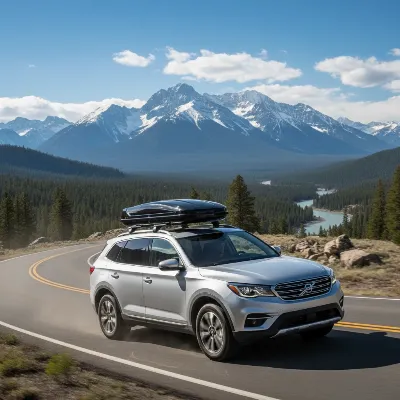 A silver SUV with a sleek, black roof rack carrying a cargo box, driving on a scenic open road under a clear sky.
Preferred Roof Rack Brands
Several brands stand out in the roof rack market for their quality, innovation, and durability. These manufacturers consistently deliver reliable solutions for various cargo needs and vehicle types.
Thule, a Swedish company, is widely recognized as a premium standard in the roof rack industry. They are renowned for their high-quality craftsmanship, aerodynamic designs that minimize wind noise, and extensive range of accessories for nearly every activity. While Thule systems often deliver exceptional stability and long-term durability, some users note that their installation processes can be more complex, averaging longer setup times.
Yakima, an American brand, is a strong competitor, often praised for its user-friendly designs and focus on outdoor lifestyles. Yakima systems offer a good balance of performance and ease of installation, with many products featuring tool-free setup for quicker deployment. They are known for their rugged designs and versatility, catering to a wide array of vehicles from small sedans to large SUVs.
Rhino-Rack, hailing from Australia, specializes in heavy-duty and robust roof rack solutions, particularly favored by off-road enthusiasts and tradespeople. Their systems are built to withstand challenging conditions and consistently perform well under significant loads, often exceeding expectations in durability tests. While installation might be moderately complex, their exceptional weight capacity and ruggedness make them a top choice for demanding applications.
General Roof Rack Installation Guide
Installing a roof rack is a manageable DIY task, but precision and adherence to manufacturer instructions are paramount for safety. While specific steps vary by rack system and vehicle, here’s a general overview.
Before you begin, gather all necessary tools and materials. You’ll typically need a torque wrench (essential for tightening bolts to specified settings, often between 15-25 foot-pounds to prevent both under and over-tightening), a socket set, screwdrivers, a hex key set, measuring tape, clean cloths, and potentially a step ladder. Ensure your roof rack kit includes all components: crossbar assemblies, mounting clamps/adapters, rubber protective pads, bolts, washers, locking hardware, and installation keys. Always read your manufacturer’s installation manual thoroughly before starting, as it contains vehicle-specific instructions and critical torque specifications. Begin by preparing your vehicle; thoroughly clean the roof and mounting areas to ensure a snug fit and prevent scratches. Next, assemble the roof rack components, typically attaching the crossbars to the mounting towers according to the instructions.
Once assembled, mount the roof rack onto your vehicle’s roof. This step varies significantly based on your vehicle’s roof type (raised rails, fixed points, bare roof, etc.), so follow your kit’s specific guidelines closely for positioning and clamp attachment. For vehicles with raised rails, the clamps will secure directly to these rails. For fixed point systems, mounting towers attach to designated points, often under small removable covers. For bare roofs, clip-style racks use door jambs or rain gutters. After initial positioning, tighten all bolts and screws securely using your torque wrench to the exact specifications provided by the manufacturer. Do not overtighten, as this can cause damage or leaks. Finally, perform a thorough stability test by gently shaking the rack to ensure it feels solid and doesn’t shift. Double-check all fasteners and connections. It is highly recommended to re-check all mounting points and fasteners after the first 50 miles of driving and periodically thereafter, as vibrations can sometimes cause components to loosen.
Important Safety Tips for Using a Roof Rack
Ensuring the safe use of your roof rack is just as important as proper installation. Ignoring safety guidelines can lead to accidents, damage to your vehicle, or loss of cargo.
A critical rule is to never exceed your roof rack’s or vehicle’s dynamic weight capacity. This limit, found in your owner’s manual and the rack’s instructions, specifies the maximum safe load while the vehicle is in motion. The total weight includes the rack itself, any accessories (like cargo boxes), and your cargo. Exceeding this limit can severely impact your vehicle’s handling, braking, and stability, increasing the risk of an accident. It’s also vital to distribute weight evenly across the roof rack, placing heavier items closer to the center of the vehicle for optimal balance and stability. Uneven loading can lead to dangerous imbalances, especially when cornering or braking.
“Choosing the right roof rack and understanding its limitations are foundational. But the true measure of safety lies in consistent maintenance and mindful loading for every journey.” – Sarah Johnson, Automotive Accessories Specialist
Regularly inspect all components of your roof rack for signs of wear, rust, or looseness, especially before and after long trips. Tighten any loose bolts or fasteners immediately. Furthermore, secure all cargo properly using appropriate straps, nets, or locking mechanisms to prevent items from shifting, coming loose, or falling off during transit. Loose cargo is a significant road hazard. Lastly, drive with extra caution when carrying a roof load. The added weight and altered center of gravity can affect your vehicle’s aerodynamics, handling, and braking performance. Be mindful of increased height for overhead clearances, reduce speed, and allow for longer braking distances, especially in adverse weather conditions.
Conclusion
Installing a roof rack is a rewarding endeavor that significantly expands your vehicle’s carrying capabilities, opening up new possibilities for travel and adventure. By carefully selecting a rack compatible with your vehicle and adhering to precise installation instructions, you can ensure a secure and reliable setup. Always remember that safety is paramount: understanding and respecting weight limits, distributing cargo evenly, and performing routine checks are non-negotiable for every journey. A properly installed and maintained roof rack will serve as a versatile asset, transforming your car into an even more capable companion for all of life’s expeditions. Are you ready to unlock your vehicle’s full potential and embark on your next great adventure with confidence?
Frequently Asked Questions
What is the difference between dynamic and static roof rack weight capacity?
Dynamic weight capacity is the maximum load your roof can safely carry while the vehicle is moving, accounting for forces like acceleration and braking. Static capacity refers to the maximum load when the vehicle is parked, which is typically much higher, often for items like rooftop tents.
Can I install a roof rack on a bare roof without rails?
Yes, many roof rack systems are designed for vehicles without factory-installed rails or fixed points. These typically use clip-style mounting feet that attach securely to the vehicle’s door frames or rain gutters, providing a stable base for crossbars.
How often should I check my roof rack for security?
It is highly recommended to check all mounting points and fasteners after the initial 50 miles of driving following installation. After that, you should inspect your roof rack regularly, ideally before every long trip and periodically throughout the year, for any signs of loosening, wear, or damage.
Does a roof rack affect my car’s fuel efficiency?
Yes, a roof rack, especially when loaded with cargo or a roof box, can increase aerodynamic drag and consequently reduce your car’s fuel efficiency. The impact varies depending on the rack’s design, the items carried, and driving speed. Removing the rack when not in use can help minimize this effect.
Is it safe to go through an automatic car wash with a roof rack?
Generally, it is not recommended to take your car through an automatic car wash with a roof rack installed, especially one with brushes. The brushes and high-pressure water jets can damage the rack, the car’s paintwork, or even pull components off, leading to costly repairs. Hand washing is the safest option.
Frequently Asked Questions
What is the difference between dynamic and static roof rack weight capacity?
Dynamic weight capacity is the maximum load your roof can safely carry while the vehicle is moving, accounting for forces like acceleration and braking. Static capacity refers to the maximum load when the vehicle is parked, which is typically much higher, often for items like rooftop tents.
Can I install a roof rack on a bare car roof without rails?
Yes, many roof rack systems are designed for vehicles without factory-installed rails or fixed points. These typically use clip-style mounting feet that attach securely to the vehicle's door frames or rain gutters, providing a stable base for crossbars.
How often should I check my roof rack for security after installation?
It is highly recommended to check all mounting points and fasteners after the initial 50 miles of driving following installation. After that, you should inspect your roof rack regularly, ideally before every long trip and periodically throughout the year, for any signs of loosening, wear, or damage.
Does a roof rack affect my car's fuel efficiency?
Yes, a roof rack, especially when loaded with cargo or a roof box, can increase aerodynamic drag and consequently reduce your car's fuel efficiency. The impact varies depending on the rack's design, the items carried, and driving speed. Removing the rack when not in use can help minimize this effect.
Is it safe to go through an automatic car wash with a roof rack installed?
Generally, it is not recommended to take your car through an automatic car wash with a roof rack installed, especially one with brushes. The brushes and high-pressure water jets can damage the rack, the car's paintwork, or even pull components off, leading to costly repairs. Hand washing is the safest option.
Install a Roof Rack on Your Car
This guide provides a general overview for installing a roof rack on your vehicle, emphasizing safety and adherence to manufacturer instructions.
Collect all necessary tools, including a torque wrench (15-25 foot-pounds), socket set, screwdrivers, hex keys, and measuring tape. Thoroughly read your roof rack's manufacturer installation manual for vehicle-specific instructions and critical torque specifications before starting.
Clean your vehicle's roof and mounting areas to ensure a snug fit and prevent scratches. Then, assemble the roof rack components, attaching the crossbars to the mounting towers according to the instructions provided in your kit.
Mount the assembled roof rack onto your vehicle's roof, following specific guidelines for your roof type (e.g., raised rails, fixed points, bare roof). Tighten all bolts and screws securely using your torque wrench to the manufacturer's exact specifications, avoiding overtightening.
Gently shake the installed rack to ensure it feels solid and doesn't shift, then double-check all fasteners and connections. It is highly recommended to re-check all mounting points and fasteners after the first 50 miles of driving and periodically thereafter, as vibrations can cause components to loosen.

I followed the DIY guide for installing my new Thule roof rack and it was super helpful. The step-by-step instructions made what I thought would be a complicated process really straightforward. I got it on in about an hour and it feels incredibly secure. Now I can finally take my kayak out without borrowing a friend’s truck!
This guide was a lifesaver! I was a bit nervous about tackling a roof rack installation myself, but the safety tips mentioned really put my mind at ease. I appreciate the advice on checking all the bolts after a short drive. My camping gear fits perfectly now, and it’s great not having to cram everything inside the car.
The guide was mostly good for my Yakima system, but I wish there had been a bit more detail on adjusting the crossbars for different vehicle widths. It took me a while to get them perfectly centered and tightened down. Overall, it helped me get the job done, but that one part was a little frustrating.
Seriously, if you’re on the fence about installing a roof rack yourself, just do it. This guide made it so easy to understand the process. I used it for my new ski rack setup and it’s solid. No more trying to fit skis inside the car, which is a huge relief for road trips.