Maintaining your aluminum roof rack properly ensures its longevity and reliable performance for all your cargo needs. Regular cleaning removes corrosive agents like road salt and grime, while protective coatings such as anodizing or silicone sprays shield against oxidation and environmental damage. Proactive care, including monthly inspections and proper storage, can extend the lifespan of your roof rack by several years, preserving your investment and ensuring it remains a secure part of your vehicle.
Why Regular Roof Rack Maintenance Matters
Regular maintenance is not merely an optional chore; it’s a critical step in preserving the integrity and performance of your aluminum roof rack. Aluminum, while naturally corrosion-resistant due to its passive oxide layer, can still suffer from environmental wear. Consistent cleaning helps remove corrosive agents like road salt, grime, and acidic bird droppings, preventing them from compromising the metal’s surface. Routine inspections can catch minor issues like loose fasteners or early signs of oxidation before they escalate into costly repairs, ensuring your rack remains secure and safe for all your cargo needs. This proactive approach extends the lifespan of your roof rack, maintains its aesthetic appeal, and guarantees its reliability for every journey.
Essential Cleaning Techniques for Aluminum Roof Racks
Keeping your aluminum roof rack pristine requires a two-tiered approach: gentle, routine cleaning for everyday grime and more intensive methods for stubborn stains and oxidation. For best automotive roof roundups on this site.
Gentle Cleaning for Routine Care
For general dirt and dust accumulation, a gentle cleaning routine is sufficient and helps prevent buildup. Begin by thoroughly rinsing your roof rack with fresh water to remove any loose debris, mud, or dirt. This crucial first step prevents abrasive particles from scratching the aluminum surface during scrubbing. Next, prepare a solution of mild car soap or dish soap mixed with warm water. Using a soft sponge, microfiber cloth, or soft-bristled brush, gently wash the entire surface of the rack. Avoid using harsh chemical cleaners or abrasive scrubbing pads, as these can strip protective coatings or scratch the aluminum finish, accelerating future deterioration. After washing, rinse the rack thoroughly with clean water to remove all soap residue, which can otherwise leave water spots or streaks. Finally, dry the roof rack completely with a clean towel to prevent water spots and minimize the chance of corrosion, especially in areas with hard water.
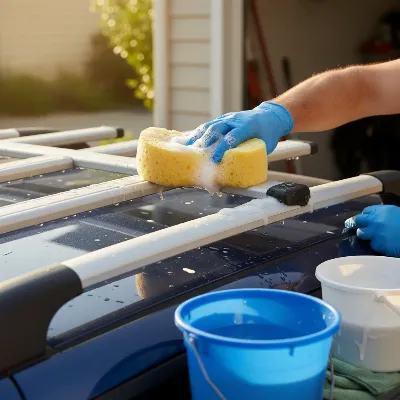 Man cleaning an aluminum roof rack with mild soap and sponge on a sunny day.
Tackling Stubborn Stains and Oxidation
When your aluminum roof rack shows signs of stubborn stains, dullness, or the tell-tale white, powdery film of oxidation, more focused treatment is needed. For light oxidation, a simple solution of equal parts white vinegar and water can be effective. Apply it with a cloth and let it sit for a few minutes before scrubbing gently and rinsing. A paste made from borax and a small amount of water can also be applied to specific spots, scrubbed, and then rinsed off. For heavier oxidation or a more significant “plaque” buildup, you might need to step up your game. Aluminum polishes, sometimes used with very fine 0000 grade steel wool, can help restore shine and remove discoloration. For more severe cases, a polishing compound applied with a machine polisher and a white pad can effectively cut through heavy oxidation. In extreme situations, some detailers even resort to 4000-grit water-based sandpaper for preliminary removal of very tough plaque, always followed by careful polishing to restore the finish. Always work in small sections, test on an inconspicuous area first, and ensure thorough rinsing after any treatment to remove chemical residues.
Protecting Your Aluminum Roof Rack from the Elements
Cleaning is only half the battle; robust protection is essential for long-term durability, especially given aluminum’s constant exposure to diverse environmental stresses.
Understanding Oxidation and Corrosion Prevention
|
Our Picks for the Best Roof Rack in 2026
As an Amazon Associate I earn from qualifying purchases.
|
||
| Num | Product | Action |
|---|---|---|
| 1 | GarveeLife 51 in x 36 in Universal Roof Rack Carrier Basket, 200 LBS Capacity Rooftop Cargo Rack, Car Top Luggage Holder Basket Heavy Duty for SUVs, Trucks, Vehicles |

|
| 2 | munirater Universal 43.3 inch Black Roof Rack Cross Bar Top Luggage Aluminum Carrier Adjustable Window Frame 2Pcs |
|
| 3 | MaxxHaul Steel Roof Rack Cargo Basket, 46" x 36" x 4.5" Roof Top Carrier, Universal Fit for Cars, SUVs, Vans, and RVs, 150 lb Capacity, Weather-Resistant Easy-Install Cargo Storage (70115) |
|
| 4 | Auto Dynasty Roof Rack Cross Bars Compatible with 2014-2018 Acura MDX, 165lbs Rooftop Cargo Bars Aluminum Anti-Corrosion Bolt-On Roof Rails for Luggage Bike Kayak Racks |
|
| 5 | MAXXHAUL 50506 64" x 39" x 6" Heavy-Duty Universal Steel Roof Rack , Black |
|
| 6 | MeeFar Roof Rack Carrier Basket Universal Rooftop 51" X 36" X 5" + Waterproof Bag 15 Cubic Feet (44" 34" 17"), and Cargo Net with Attachment Hooks, Ratchet Straps |
|
| 7 | KitsPro 260lb Roof Rack Cross Bars for 2011-2021 Jeep Grand Cherokee (ONLY FIT Factory Grooved Side Rails), Matte Black Heavy Duty Aluminum Cargo Crossbar |
|
| 8 | GarveeLife 46" x 36" Universal Roof Rack Cargo Carrier Basket, 200 Lbs Capacity Rooftop Cargo Rack, Car Top Luggage Holder Basket Heavy Duty for SUVs, Trucks, Vehicles |
|
| 9 | GarveeLife 51 in x 36 in Universal Roof Rack Basket, 200 LBS Capacity Rooftop Cargo Carrier Basket, Heavy Duty Luggage Holder Rack for SUVs, Trucks, Vehicles |
|
| 10 | 64 x 39 x 6 Inch Roof Rack Basket, Heavy Duty 300LB Car Roof Rack Universal Cargo Carrier Rooftop Cargo Basket Steel Luggage Holder for SUV, Truck & Pickup |
|
Aluminum’s inherent corrosion resistance comes from a thin, passive oxide layer that naturally forms on its surface when exposed to air. However, this layer can be compromised by various environmental factors. Prolonged exposure to moisture, especially in coastal areas with high salt levels, or acidic pollutants like industrial fallout and bird droppings, can break down this protective barrier, leading to visible oxidation. UV radiation also plays a role, degrading any existing coatings and weakening the aluminum surface over time. A significant concern is galvanic corrosion, which occurs when aluminum comes into direct contact with “noble metals” like stainless steel or copper in the presence of an electrolyte (like moisture). In such scenarios, the aluminum acts as a sacrificial anode and corrodes rapidly to protect the other metal. Understanding these mechanisms is the first step toward effective protection.
Advanced Protective Coatings
To significantly enhance your aluminum roof rack’s resilience, consider applying advanced protective coatings. Some aluminum roof racks come from the factory with specialized treatments like anodizing, an electrolytic process that thickens and hardens the natural oxide layer, creating an incredibly durable barrier resistant to UV rays, salt, and scratches. For aftermarket application, powder coating offers a tough, scratch-resistant finish that is highly durable. While often a professional service, it provides excellent long-term protection.
For DIY enthusiasts seeking practical solutions, silicone sprays and waxes are readily available and provide a sacrificial layer that helps prevent rust and corrosion, needing regular reapplication. More robust options include dedicated silicone or elastomeric coatings, similar to those used on aluminum roofs, which offer excellent UV protection, flexibility to accommodate thermal expansion, and superior waterproofing. These coatings form a resilient barrier against harsh weather and environmental contaminants, extending the lifespan of your roof rack considerably.
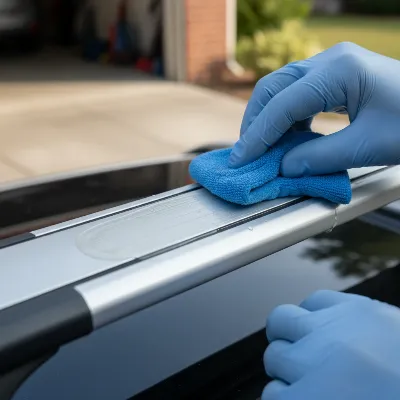 Applying a protective coating to an aluminum roof rack with a microfiber applicator.
Preventing Galvanic Corrosion
Galvanic corrosion is a silent threat to aluminum components, particularly when they are assembled with fasteners or accessories made from more noble metals like stainless steel. This electrochemical reaction can accelerate aluminum degradation. To combat this, non-conductive barriers are crucial. When assembling your roof rack or attaching accessories, always insert plastic or rubber washers, bushings, or gaskets between the aluminum parts and any stainless steel bolts, nuts, or mounting plates. Wrapping fasteners with Teflon tape can also provide an effective insulating layer. These barriers physically separate the dissimilar metals, preventing the electron flow that drives galvanic corrosion. In specific, highly corrosive environments, sacrificial anodes made of zinc or magnesium can be employed, though these are more common in marine applications and might be overkill for a typical vehicle roof rack. The simpler approach of using non-conductive barriers is highly effective and easily implementable for most users.
DIY Maintenance Schedule and Best Practices
Maintaining your aluminum roof rack effectively means establishing a routine and adhering to smart usage habits.
Regular Inspection
A vigilant eye is your best tool for extending your roof rack’s life. Make it a habit to perform monthly checks on all components. Look for loose bolts, especially at mounting points, and tighten them as needed. Inspect welds for any cracks or signs of stress, and examine rubber pads or gaskets for wear, cracking, or deterioration. Annually, it’s beneficial to remove your roof rack entirely, clean the contact points on your vehicle’s roof, and then re-install it, ensuring all components are properly aligned and secured. This also provides an opportunity to inspect hidden areas. to check and lubricate moving parts like locks and quick-release mechanisms. A dry silicone spray or graphite powder is ideal for lubricating locks, as oil-based lubricants can attract dust and grime, hindering their function.
Important Usage Tips
Beyond cleaning and inspection, how you use and store your roof rack significantly impacts its longevity. Always clean your rack promptly after exposure to harsh conditions, such as driving on salted roads, through muddy trails, or if acidic spills like bird droppings occur. Rinse these contaminants off with fresh water and dry thoroughly. When your roof rack isn’t in use for extended periods, especially during seasons when you don’t need the extra cargo space, consider removing and storing it indoors. This protects it from unnecessary UV degradation, harsh weather, and potential theft. Crucially, never take your vehicle through an automatic car wash with the roof rack installed. The powerful brushes and high-pressure jets can damage the rack, its components, or even your vehicle. Finally, always adhere to the manufacturer’s weight capacity limits and distribute your load evenly to prevent structural stress on both the rack and your vehicle.
| Task | Recommended Products | What to Avoid |
|---|---|---|
| Routine Cleaning | Mild car soap, warm water, soft sponge | Harsh chemicals, abrasive cleaners |
| Oxidation Removal | Aluminum polish, 0000 steel wool, polishing compound, 4000-grit sandpaper | Very coarse abrasives |
| General Protection | Silicone spray, car wax, dedicated aluminum sealants | |
| Long-term Protection | Anodizing (professional), Powder coating (professional), Silicone/elastomeric coatings | |
| Lubrication | Dry silicone spray, graphite powder | Oil-based lubricants |
> “A well-maintained aluminum roof rack is more than just a functional accessory; it’s a shows your preparedness for adventure and a smart investment that will serve you reliably for countless journeys.”
Conclusion
Your aluminum roof rack is a workhorse, but its longevity and aesthetic appeal depend entirely on consistent care. By adopting a diligent cleaning regimen, from gentle washes for routine grime to targeted treatments for stubborn oxidation, you can keep its surface pristine. Crucially, applying robust protective coatings and implementing strategies to prevent galvanic corrosion will shield your investment from the harsh realities of outdoor exposure, ensuring structural integrity and preventing premature wear. Coupled with regular inspections and adherence to smart usage practices like proper loading and seasonal storage, these DIY maintenance tips will significantly extend the life of your aluminum roof rack. Don’t let neglect turn a valuable asset into a corroded eyesore. Take proactive steps to maintain your rack, and it will continue to support your adventures reliably for years to come. What’s your next adventure with a perfectly maintained roof rack?
Frequently Asked Questions
How often should I clean my aluminum roof rack?
For general maintenance, cleaning your aluminum roof rack after long trips or once a month is recommended. If you frequently drive in salty environments (coastal areas, winter roads) or dirty conditions (off-roading), clean it immediately after exposure to prevent corrosive buildup and oxidation.
Can I use household cleaners on my aluminum roof rack?
While mild dish soap and water are generally safe for routine cleaning, avoid harsh household cleaners like oven cleaner, strong degreasers, or abrasive scouring powders. These can damage the aluminum’s finish, strip protective coatings, and accelerate oxidation. Stick to mild, pH-neutral solutions or specialized aluminum cleaners.
What are the signs of aluminum oxidation?
Aluminum oxidation typically appears as a dulling of the surface, often with a chalky, white, or powdery residue. In more advanced stages, it can look pitted or discolored. Unlike rust on steel, which is reddish-brown, aluminum oxidation is usually lighter and more diffuse.
Is it necessary to remove my roof rack during winter?
While not strictly necessary for all racks, removing your aluminum roof rack during winter, especially in regions where roads are salted, is highly recommended. Road salt is extremely corrosive and can accelerate oxidation and damage fasteners. Storing it indoors also protects it from prolonged exposure to harsh weather and UV rays.
How does UV light affect aluminum roof racks?
UV light itself doesn’t directly degrade bare aluminum as it does plastics or paints. However, it can break down any protective coatings (like clear coats, powder coats, or waxes) applied to the aluminum. Once these coatings are compromised, the bare aluminum becomes more susceptible to environmental factors like moisture and pollutants, which then lead to oxidation.
Frequently Asked Questions
How often should I clean my aluminum roof rack?
For general maintenance, cleaning your aluminum roof rack after long trips or once a month is recommended. If you frequently drive in salty environments or dirty conditions, clean it immediately after exposure to prevent corrosive buildup and oxidation.
Can I use household cleaners on my aluminum roof rack?
While mild dish soap and water are generally safe for routine cleaning, avoid harsh household cleaners like oven cleaner or strong degreasers. These can damage the aluminum's finish and accelerate oxidation. Stick to mild, pH-neutral solutions or specialized aluminum cleaners.
What are the signs of aluminum oxidation?
Aluminum oxidation typically appears as a dulling of the surface, often with a chalky, white, or powdery residue. In more advanced stages, it can look pitted or discolored. Unlike rust on steel, which is reddish-brown, aluminum oxidation is usually lighter and more diffuse.
Is it necessary to remove my roof rack during winter?
Removing your aluminum roof rack during winter, especially in regions with salted roads, is highly recommended. Road salt is extremely corrosive and can accelerate oxidation and damage fasteners. Storing it indoors also protects it from prolonged exposure to harsh weather and UV rays.
How does UV light affect aluminum roof racks?
UV light itself doesn't directly degrade bare aluminum, but it can break down any protective coatings applied to the aluminum. Once these coatings are compromised, the bare aluminum becomes more susceptible to environmental factors like moisture and pollutants, which then lead to oxidation.
Clean and Protect Your Aluminum Roof Rack
Follow these steps to effectively clean and protect your aluminum roof rack, ensuring its longevity and performance.
Rinse your roof rack thoroughly with fresh water to remove loose debris. Then, wash the entire surface with a solution of mild car soap or dish soap and warm water using a soft sponge or microfiber cloth. Avoid harsh chemicals or abrasive pads.
For light oxidation, apply a solution of equal parts white vinegar and water. For heavier oxidation, use aluminum polishes with fine 0000 grade steel wool or a polishing compound. Always test on an inconspicuous area first and rinse thoroughly.
Consider professional anodizing or powder coating for long-term protection. For DIY options, apply silicone sprays, waxes, or dedicated silicone/elastomeric coatings to create a resilient barrier against harsh weather and UV rays.
Insert non-conductive barriers like plastic or rubber washers between aluminum parts and dissimilar metals (e.g., stainless steel fasteners). Teflon tape can also provide an effective insulating layer to prevent electrochemical reactions.
Perform monthly checks for loose bolts, cracks, or wear on rubber pads. Annually, remove the rack to clean contact points and inspect hidden areas. Lubricate moving parts like locks with dry silicone spray or graphite powder.

I’ve had my aluminum roof rack for years and always just hosed it down. After reading about how road salt can really mess with the finish, I started using a silicone spray after every wash. It’s made a huge difference in how it looks, and I feel much better knowing it’s protected from oxidation. Definitely worth the extra step for preserving my investment.
The advice on monthly inspections is solid, and I’ve started doing that more consistently. I did notice some minor pitting on my rack, which I think could have been avoided if I’d been more diligent with protective coatings earlier. It’s a good reminder that even aluminum needs some love. I wish there were more specific brand recommendations for the anodizing process, as that part felt a little vague.
This was super helpful! I never really thought about how important proactive care is for my roof rack. I’ve been using it a lot for camping gear, and the mention of environmental damage really hit home. I’m now much more consistent with cleaning off corrosive agents and checking for wear. My rack looks almost new again, even after a tough season.
I appreciate the tips on regular cleaning. I used to only clean my rack when it looked really dirty, but now I’m doing it monthly, especially after long trips. The idea of removing grime and acidic buildup makes a lot of sense for keeping it in good shape. My only minor complaint is that some of the recommended cleaning products are a bit pricey.