Imagine embarking on a long-awaited road trip, only to discover unsightly patches of rust marring your trusty roof rack. Not only is it an aesthetic concern, but rust can also compromise the structural integrity and safety of this essential vehicle accessory. Roof racks are designed to enhance your car’s carrying capacity, providing invaluable space for everything from camping gear and bikes to kayaks and luggage. However, their constant exposure to the elements makes them particularly vulnerable to corrosion. Understanding why roof racks rust and knowing how to prevent and address it promptly is key to ensuring their longevity and reliability for all your adventures.
Why Does Your Roof Rack Get Rust?
Roof racks are constantly exposed to some of the harshest environmental conditions, making them prime targets for rust. This corrosive process, scientifically known as oxidation, occurs when metal comes into contact with oxygen and moisture. Several factors accelerate this deterioration, turning a strong metal structure into a weakened one over time.
One of the primary culprits is moisture, whether from rain, humidity, or even morning dew. When combined with elements like road salt, especially prevalent in winter or coastal areas, the corrosion process is significantly sped up. UV radiation from direct sunlight can also degrade protective coatings, further exposing the underlying metal. Even minor paint chips or scratches, often caused by loading and unloading gear or road debris, create critical entry points where moisture can penetrate and initiate rust. Furthermore, dirt, grime, and chemicals accumulating in hard-to-reach areas can trap moisture against the metal, fostering a corrosive environment. Without regular inspection and maintenance, these seemingly minor issues can quickly escalate into widespread rust, compromising your roof rack’s appearance and structural integrity.
Understanding Roof Rack Materials and Their Rust Susceptibility
The material composition of your roof rack plays a significant role in its resistance to rust and overall durability. Different metals offer varying levels of protection against the elements, and understanding these characteristics can help you make an informed choice and tailor your maintenance routine.
Types of Roof Rack Materials
- Steel (Carbon Steel): Often the most robust and affordable option, steel roof racks are excellent for heavy-duty loads and demanding off-road conditions. However, steel is highly susceptible to rust if its protective coating, such as zinc plating or powder coating, is scratched or compromised. Regular inspection and touch-ups are crucial to prevent corrosion.
- Aluminum: A popular choice for its lightweight properties and natural corrosion resistance, aluminum is an excellent alternative to steel. It doesn’t rust in the traditional sense, but can oxidize (forming a white powder) if exposed to salt, although it generally holds up well in wet or salty environments. Aluminum helps reduce overall vehicle weight, improving fuel efficiency.
- Stainless Steel: Offering a superior balance of strength and impressive rust resistance, stainless steel contains chromium, which forms a passive oxide layer that helps prevent corrosion. While not entirely rust-proof, it significantly outperforms carbon steel and is ideal for heavy-duty applications in challenging conditions. Scratches or prolonged exposure to chlorides can still lead to pitting.
- Composite Materials: Some roof rack components may incorporate composite materials. These are typically very lightweight and entirely rust-proof, as they are not metal. However, they might not match the sheer load-bearing strength of metal counterparts and are often used for lighter accessories or aerodynamic fairings.
|
Our Picks for the Best Roof Rack in 2026
As an Amazon Associate I earn from qualifying purchases.
|
||
| Num | Product | Action |
|---|---|---|
| 1 | GarveeLife 51 in x 36 in Universal Roof Rack Carrier Basket, 200 LBS Capacity Rooftop Cargo Rack, Car Top Luggage Holder Basket Heavy Duty for SUVs, Trucks, Vehicles |

|
| 2 | Auto Dynasty Roof Rack Cross Bars Compatible with 2014-2018 Acura MDX, 165lbs Rooftop Cargo Bars Aluminum Anti-Corrosion Bolt-On Roof Rails for Luggage Bike Kayak Racks |
|
| 3 | MAXXHAUL 50506 64" x 39" x 6" Heavy-Duty Universal Steel Roof Rack , Black |
|
| 4 | KitsPro 260lb Roof Rack Cross Bars for 2011-2021 Jeep Grand Cherokee (ONLY FIT Factory Grooved Side Rails), Matte Black Heavy Duty Aluminum Cargo Crossbar |
|
| 5 | MaxxHaul Steel Roof Rack Cargo Basket, 46" x 36" x 4.5" Roof Top Carrier, Universal Fit for Cars, SUVs, Vans, and RVs, 150 lb Capacity, Weather-Resistant Easy-Install Cargo Storage (70115) |
|
| 6 | munirater Universal 43.3 inch Black Roof Rack Cross Bar Top Luggage Aluminum Carrier Adjustable Window Frame 2Pcs |
|
| 7 | GarveeLife 46" x 36" Universal Roof Rack Cargo Carrier Basket, 200 Lbs Capacity Rooftop Cargo Rack, Car Top Luggage Holder Basket Heavy Duty for SUVs, Trucks, Vehicles |
|
| 8 | MeeFar Roof Rack Carrier Basket Universal Rooftop 51" X 36" X 5" + Waterproof Bag 15 Cubic Feet (44" 34" 17"), and Cargo Net with Attachment Hooks, Ratchet Straps |
|
| 9 | 64 x 39 x 6 Inch Roof Rack Basket, Heavy Duty 300LB Car Roof Rack Universal Cargo Carrier Rooftop Cargo Basket Steel Luggage Holder for SUV, Truck & Pickup |
|
| 10 | GarveeLife 51 in x 36 in Universal Roof Rack Basket, 200 LBS Capacity Rooftop Cargo Carrier Basket, Heavy Duty Luggage Holder Rack for SUVs, Trucks, Vehicles |
|
Comparison Table: Roof Rack Materials and Rust Resistance
| Type of Roof Rack | Advantages | Disadvantages | Rust Resistance |
|---|---|---|---|
| Steel | Very strong, durable, cost-effective | Heavy, highly prone to rust if coating damaged | Low |
| Aluminum | Lightweight, naturally corrosion-resistant | Less strong than steel, can fracture under extreme loads, can oxidize | High |
| Stainless Steel | Very strong, excellent corrosion resistance | Heavier than aluminum, more expensive, can still pit | Very High |
Choosing a Rust-Resistant Roof Rack and Preventing Corrosion
Selecting the right roof rack involves more than just aesthetics; it’s about matching its material and design to your usage and the environment you typically drive in. Moreover, proactive measures from day one can significantly extend its lifespan and ward off rust.
When purchasing a new roof rack, consider your primary activities. If you frequently travel in coastal areas or regions with heavy road salt, prioritizing aluminum or stainless steel will offer better intrinsic rust protection. For steel racks, ensure they come with high-quality, durable powder coatings or galvanization. Beyond the initial choice, applying an anti-corrosion agent to all metal components before installation can create an extra layer of defense. This is particularly effective on connection points and areas prone to wear. During installation, pay close attention to any rubber seals or pads; these are crucial for preventing water from pooling between the rack and your vehicle’s roof, which could lead to rust on both surfaces. Regularly inspecting and reapplying anti-corrosion agents, especially in areas where wear or scratches appear, is an effective strategy to ensure long-term usability and protect your investment.
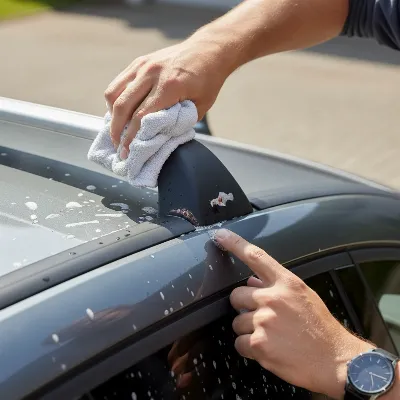 A car roof rack being cleaned and inspected for rust, with a person wiping down crossbars.
Maintaining Your Roof Rack: Essential Prevention Tips
Consistent maintenance is the best defense against rust, ensuring your roof rack remains reliable and safe for years. Neglecting this simple routine can quickly lead to corrosion, structural weaknesses, and potentially costly repairs.
- Frequent Cleaning: Regularly wash your roof rack, especially after long trips, off-road adventures, or exposure to harsh conditions like salted roads or sea air. Use a mild car wash detergent and a soft cloth to gently wipe away dirt, mud, and grime. Pay extra attention to joints, crevices, and mounting hardware where debris and moisture tend to accumulate. After washing, thoroughly dry all components, particularly metal parts, to prevent water spots and rust development. This proactive cleaning removes corrosive elements before they can cause damage.
- Seasonal Inspection: Make it a habit to inspect your roof rack seasonally. Look for any signs of wear and tear, such as paint chips, scratches, bubbles, or discoloration on metal surfaces. Check rubber seals and contact pads for cracks or degradation, as these can allow moisture to seep in. Examine all bolts, nuts, and connectors for tightness and any visible signs of corrosion.
- Touch Up Minor Damage: If you spot any minor paint chips or scratches, address them immediately. Clean the area, apply a rust-inhibiting primer, and then a matching paint or protective coating. This seals off exposed metal and prevents rust from spreading. For rubber components, replace them if they show significant wear or damage.
- Lubricate Moving Parts: Apply a suitable lubricant to any moving parts, bolts, and locking mechanisms. This not only ensures smooth operation but also creates a barrier against moisture, helping to prevent rust in these critical areas.
- Proper Storage: If you live in an area with extreme weather or don’t use your roof rack year-round, consider removing it during extended periods of inactivity. Store it in a dry, sheltered location, thoroughly cleaned and dried. If removal isn’t practical, use a durable, waterproof cover to protect it from continuous environmental exposure.
Quick Fixes: Addressing Rust on Your Roof Rack
When rust inevitably appears, swift action can prevent it from spreading and save your roof rack. Here are five quick fixes to tackle common rust issues, from surface blemishes to more stubborn patches.
- Wire Brush and Sanding for Surface Rust: For light surface rust, the first step is mechanical removal. Use a stiff wire brush to vigorously scrub away all loose rust particles and flaking paint. Follow up with fine-grit sandpaper (around 120-220 grit) to smooth the area, exposing clean, bare metal. Ensure all rust dust is wiped clean before proceeding. This method is effective for localized rust spots and prepares the surface for treatment.
- Apply a Rust Converter: After mechanical removal, a rust converter is crucial, especially if some embedded rust remains. Products like Kurust or RainX Rust Buster chemically react with rust (iron oxide) to convert it into a stable, black, paintable polymer layer. Apply sparingly according to the product’s instructions, typically allowing it to dry overnight. This step neutralizes the rust and provides a solid base for further protection.
- Primer and Paint for Protection: Once the rust has been removed or converted, apply a rust-inhibiting primer to the treated area. This provides adhesion for the topcoat and an additional layer of corrosion protection. After the primer dries, apply at least two thin coats of a weather-resistant, automotive-grade paint that matches your roof rack’s original finish, if possible. This seals the metal from moisture and oxygen, preventing future rust.
- Chemical Rust Dissolvers (e.g., Naval Jelly): For more stubborn or slightly deeper rust, chemical rust dissolvers can be very effective. Products like Naval Jelly or specialized rust dissolvers (e.g., Rust-Oleum Rust Dissolver) contain acids that dissolve rust. Apply the gel or liquid carefully to the rusted area, following the manufacturer’s dwell time. After the designated time, rinse thoroughly and neutralize the area if required. Always wear appropriate personal protective equipment, such as gloves and eye protection, when using chemical treatments.
- Replace Corroded Hardware: Often, small metal components like bolts, washers, and nuts are the first to show rust, especially in high-moisture or salty environments. If these parts are significantly corroded, they should be replaced. Opt for stainless steel hardware whenever possible, as it offers superior rust resistance. This not only improves aesthetics but also ensures the structural integrity of your roof rack’s mounting points, preventing potential instability or failure.
> “The secret to a long-lasting roof rack isn’t just buying a good one; it’s the consistent attention and care you give it, especially when it comes to rust prevention.” – David Chen, Automotive Accessories Specialist
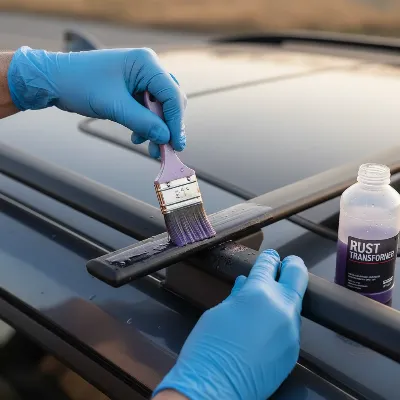 A person applying rust converter to a car roof rack after cleaning off surface rust.
Important Considerations for Long-Term Roof Rack Health
Beyond immediate fixes, adopting a holistic approach to roof rack care ensures its long-term health and prevents recurring rust issues. Your roof rack is an investment, and protecting it safeguards both your cargo and your vehicle.
Always adhere to your roof rack’s maximum load capacity. Overloading can stress the structure, leading to bends, cracks, or loose connections that expose bare metal to the elements, creating new opportunities for rust. Additionally, ensure weight is distributed evenly across the rack to avoid undue strain on specific points. Regular inspections should be part of your routine, checking not just for rust but also for loose fittings, worn rubber components, and any signs of structural fatigue. Tighten any loose bolts or fasteners promptly. If you frequently transport items that retain moisture, such as wet kayaks or fishing gear, consider how water might be trapped and ensure thorough drying afterward. Lastly, for prolonged periods of non-use, especially in harsh weather, removing and storing your roof rack indoors is the ideal solution. If removal is not feasible, a durable, weather-resistant cover can provide a crucial layer of protection, shielding it from direct exposure to rain, snow, and UV rays that accelerate corrosion.
Conclusion
A rusting roof rack is more than just an eyesore; it’s a structural weakness that can compromise your adventures and lead to costly vehicle damage. By understanding the common culprits—moisture, salt, scratches, and neglect—you can proactively shield your roof rack from corrosion. Regular cleaning, diligent inspection for damage, and the strategic application of anti-corrosion agents are fundamental pillars of prevention. When rust does emerge, quick fixes like sanding, rust conversion, and protective painting, along with replacing corroded hardware, can restore its integrity. Ultimately, consistent care for your roof rack ensures it remains a dependable companion, ready for countless journeys ahead. How will you make rust prevention a priority for your roof rack this season?
Frequently Asked Questions
What are the main causes of roof rack rust?
Roof rack rust is primarily caused by prolonged exposure to moisture, road salt, and humidity. Scratches, chips in the protective coating, and accumulated dirt or chemicals can expose the underlying metal, accelerating the oxidation process.
Can aluminum roof racks rust?
While aluminum does not rust in the same way as steel (it doesn’t form reddish-brown iron oxide), it can corrode, developing a white, powdery oxidation if exposed to salt or certain chemicals, especially in harsh environments.
How often should I clean my roof rack to prevent rust?
It’s recommended to clean your roof rack regularly, especially after long trips, off-road driving, or exposure to road salt or coastal air. A monthly wash, followed by thorough drying, is a good general guideline.
What is a rust converter and how does it work?
A rust converter is a chemical treatment that reacts with existing rust (iron oxide) to transform it into a stable, inert, and paintable polymer layer. This process neutralizes the rust and provides a protective base, preventing further corrosion.
Is it better to remove my roof rack when not in use?
Yes, if feasible, removing your roof rack and storing it in a dry, sheltered location when not in use can significantly extend its lifespan by protecting it from continuous exposure to harsh weather and corrosive elements.
Can I paint over rust on my roof rack?
You should not paint directly over rust. First, you need to remove all loose rust, ideally by sanding or wire brushing, and then apply a rust converter and a primer before painting to ensure a durable and effective repair.
What materials are most rust-resistant for roof racks?
Stainless steel offers very high rust resistance due to its chromium content, making it ideal for demanding conditions. Aluminum is also highly resistant to corrosion and is a lighter alternative.
