For many adventurers, a roof rack is an indispensable accessory, transforming a regular vehicle into a gear-hauling machine. Whether you’re a weekend warrior with bikes and kayaks or a seasoned overlander with extensive equipment, the added cargo space is invaluable. However, traditional, bulky roof racks often come with a significant downside: a noticeable drop in gas mileage due to increased wind resistance. This article delves into the world of low profile roof racks, showcasing how their clever designs can help you carry your essentials without consistently emptying your fuel tank.
Why Aerodynamics Matter: The Impact of Roof Racks on Gas Mileage
The primary reason roof racks affect fuel efficiency is aerodynamics. As your vehicle moves, it pushes through air, creating resistance known as drag. Any object added to the exterior of your car disrupts the smooth flow of air, forcing the engine to work harder to maintain speed. This increased effort directly translates to higher fuel consumption. Studies indicate that even an empty roof rack can reduce fuel economy by 2-7% on the highway, a figure that can jump to 10-25% or even more when fully loaded, especially at higher speeds like 65-75 mph. The greater the speed, the more pronounced the impact on your gas mileage becomes.
A “low profile” roof rack is specifically designed to minimize this aerodynamic penalty. By sitting closer to your vehicle’s roof, it reduces the overall height and frontal area that the wind has to push against. This design helps maintain a more streamlined shape, leading to less drag, reduced turbulence, and ultimately, better fuel efficiency. The goal is to integrate the cargo-carrying solution as seamlessly as possible with your vehicle’s original aerodynamic contours.
Understanding Low Profile Roof Racks
What exactly qualifies a roof rack as “low profile”? It largely comes down to its stack height—the distance it extends above your vehicle’s roofline. A genuinely low profile design minimizes this height, often appearing flush or nearly flush with the roof. This reduction in vertical extension is critical for cutting through the air more efficiently.
Beyond mere height, the shape and construction of the rack play a vital role in its aerodynamic performance. Manufacturers employ advanced designs, including rounded edges, airfoil-shaped bars, and integrated wind deflectors, all engineered to guide airflow smoothly over and around the rack. Custom-fit roof racks, tailored specifically for certain vehicle models, offer superior aerodynamic integration compared to universal options, as they are designed to align perfectly with the vehicle’s unique contours. This precision fit helps to reduce turbulence and maximize fuel savings.
Types of Low Profile Roof Racks
The market offers several categories of roof racks that prioritize a low profile and enhanced aerodynamics, catering to different needs and vehicle types.
Aerodynamic Crossbar Systems
|
Our Picks for the Best Roof Rack in 2026
As an Amazon Associate I earn from qualifying purchases.
|
||
| Num | Product | Action |
|---|---|---|
| 1 | MaxxHaul Steel Roof Rack Cargo Basket, 46" x 36" x 4.5" Roof Top Carrier, Universal Fit for Cars, SUVs, Vans, and RVs, 150 lb Capacity, Weather-Resistant Easy-Install Cargo Storage (70115) |

|
| 2 | GarveeLife 51 in x 36 in Universal Roof Rack Basket, 200 LBS Capacity Rooftop Cargo Carrier Basket, Heavy Duty Luggage Holder Rack for SUVs, Trucks, Vehicles |
|
| 3 | GarveeLife 46" x 36" Universal Roof Rack Cargo Carrier Basket, 200 Lbs Capacity Rooftop Cargo Rack, Car Top Luggage Holder Basket Heavy Duty for SUVs, Trucks, Vehicles |
|
| 4 | MAXXHAUL 50506 64" x 39" x 6" Heavy-Duty Universal Steel Roof Rack , Black |
|
| 5 | GarveeLife 51 in x 36 in Universal Roof Rack Carrier Basket, 200 LBS Capacity Rooftop Cargo Rack, Car Top Luggage Holder Basket Heavy Duty for SUVs, Trucks, Vehicles |
|
| 6 | 64 x 39 x 6 Inch Roof Rack Basket, Heavy Duty 300LB Car Roof Rack Universal Cargo Carrier Rooftop Cargo Basket Steel Luggage Holder for SUV, Truck & Pickup |
|
| 7 | MeeFar Roof Rack Carrier Basket Universal Rooftop 51" X 36" X 5" + Waterproof Bag 15 Cubic Feet (44" 34" 17"), and Cargo Net with Attachment Hooks, Ratchet Straps |
|
| 8 | KitsPro 260lb Roof Rack Cross Bars for 2011-2021 Jeep Grand Cherokee (ONLY FIT Factory Grooved Side Rails), Matte Black Heavy Duty Aluminum Cargo Crossbar |
|
| 9 | Auto Dynasty Roof Rack Cross Bars Compatible with 2014-2018 Acura MDX, 165lbs Rooftop Cargo Bars Aluminum Anti-Corrosion Bolt-On Roof Rails for Luggage Bike Kayak Racks |
|
| 10 | munirater Universal 43.3 inch Black Roof Rack Cross Bar Top Luggage Aluminum Carrier Adjustable Window Frame 2Pcs |
|
These are typically two bars that run across the width of your vehicle’s roof, providing a foundation for mounting various accessories. Unlike traditional square or round bars, aerodynamic crossbars feature a sleek, often teardrop or wing-shaped profile. This design is engineered to slice through the air with minimal resistance, significantly reducing drag and wind noise. Many models sit flush with the vehicle’s side rails, further contributing to their low-profile aesthetic and functionality.
Popular examples include the Thule WingBar Edge, known for its “WindDiffuser” technology that disrupts airflow to reduce noise and drag, and the Yakima AeroBar, designed by a former Rolls-Royce aircraft engineer to retain clean lines and functionality while minimizing wind impact. Rhino-Rack’s Vortex crossbars also utilize a “Vortex Generating Strip” to combat wind noise and improve airflow. These systems are ideal for carrying bikes, kayaks, skis, or even smaller cargo boxes, offering a versatile yet fuel-conscious solution.
 Aerodynamic crossbar system on a modern vehicle for fuel efficiency
Platform Roof Racks
Platform racks offer a sturdy, flat surface for mounting a wider array of gear and accessories. What makes certain platforms low profile is their direct mounting system, often attaching to existing factory points or rain gutters, thereby eliminating the need for separate crossbars and reducing the overall stack height. These modular systems provide a robust solution, particularly favored by the overlanding and off-road community. They allow for flexible gear placement and can support heavier loads while maintaining a closer proximity to the vehicle’s roof.
Notable examples include the Front Runner Slimline II, which is built around a platform rather than crossbars, allowing it to sit much lower and directly connect to the vehicle’s roof, improving aerodynamics and reducing wind noise. Prinsu racks are also highly regarded for their modular aluminum systems designed with overlanding in mind, offering a low-profile look and extensive customization. Yakima’s LockNLoad Platform is another excellent choice, providing a durable, low-slung surface for diverse cargo.
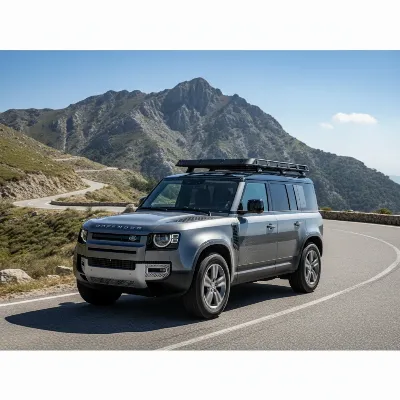 Low profile platform roof rack on an SUV for efficient cargo hauling
Aerodynamic Cargo Boxes
When it comes to enclosed storage, aerodynamic cargo boxes are the answer for minimizing fuel penalties. These boxes are designed with sleek, low-slung profiles and often a tapered shape that allows air to flow smoothly over them, reducing drag compared to bulkier, boxier alternatives. They offer excellent protection for your gear against weather and theft, making them suitable for long trips.
The Yakima CBX is a premium example, praised for its sleek, low-profile design and easy-to-use attachments. Slim Thule rooftop carriers are also engineered with aerodynamics in mind, helping to cut through the air more efficiently than taller, less streamlined options. While any rooftop carrier will slightly impact fuel economy, choosing an aerodynamically optimized box can significantly mitigate this effect.
Key Features to Look for in a Fuel-Efficient Roof Rack
Selecting a roof rack that prioritizes fuel efficiency means looking beyond just cargo capacity. Several design elements and features contribute to minimizing drag and maximizing your vehicle’s MPG.
- Minimal Stack Height: The closer the rack sits to your vehicle’s roof, the less air it will “catch,” directly reducing aerodynamic drag. Flush-mounted systems or those that integrate directly into factory rails are often the best in this regard.
- Streamlined Design: Look for components with rounded edges, airfoil shapes, and smooth transitions. Square or blunt profiles create more turbulence, while streamlined designs allow air to flow effortlessly over the rack. Technologies like Thule’s WindDiffuser or Rhino-Rack’s Vortex Generating Strip are specifically engineered to manage airflow.
- Vehicle-Specific Fit: Custom-fit racks are designed to perfectly match your vehicle’s roofline and mounting points. This precise integration ensures optimal aerodynamics by minimizing gaps and aligning with the car’s contours, reducing wind resistance more effectively than generic universal options.
- Lightweight Construction: While not directly affecting aerodynamics, a lighter rack reduces the overall weight your vehicle carries, which also contributes to better fuel economy. Aluminum is a popular material for its strength-to-weight ratio.
- Integrated Wind Management: Some racks incorporate wind fairings or deflectors into their design, or offer them as add-ons. These accessories are strategically placed to redirect airflow over the front of the rack and cargo, smoothing out turbulence and further reducing drag and wind noise.
Top Brands Known for Low Profile, Fuel-Efficient Roof Racks
Several manufacturers stand out for their commitment to aerodynamic, low-profile roof rack solutions. Their products blend robust functionality with thoughtful designs that aim to preserve your vehicle’s fuel efficiency.
- Thule: A Swedish brand synonymous with premium roof racks, Thule is celebrated for its commitment to quality, durability, and aerodynamic engineering. Their WingBar Edge crossbars are a prime example, featuring a sleek, low-profile design that sits close to the roof and incorporates “WindDiffuser” technology for minimal drag and noise. Thule also offers a range of slim, aerodynamic cargo boxes like the Force XT series, designed to be visually appealing and fuel-efficient.
- Yakima: Hailing from the USA, Yakima is renowned for its rugged, adventure-focused gear. They offer highly aerodynamic crossbars such as the AeroBar and RailBars, which are designed to fit as low and snug to the vehicle as possible, especially for cars with factory-equipped raised side rails. Their CBX cargo box is a premium choice for those seeking a sleek, low-profile, and aesthetically pleasing enclosed storage solution with excellent aerodynamics. The LockNLoad Platform also provides a low-slung, versatile carrying option.
- Front Runner Outfitters: This brand has gained significant popularity for its innovative platform rack systems. The Slimline II is a standout product, distinguished by its platform-based design that sits remarkably low, often ditching traditional crossbars entirely. This makes it an incredibly low-profile choice, enhancing aerodynamics and reducing wind noise compared to many basket-on-crossbar setups. It’s a favorite for its versatility and robust construction.
- Prinsu: Often favored by serious off-roaders and overlanding enthusiasts, Prinsu specializes in modular, low-profile aluminum platform racks. These systems are designed to fit snugly against the vehicle’s roof, offering a clean aesthetic and excellent aerodynamic properties while providing extensive customization options for mounting various accessories. Prinsu racks are known for their blend of practicality and toughness.
- Rhino-Rack: An Australian brand, Rhino-Rack provides a wide range of robust roof rack solutions. Their Vortex crossbar system is designed with aerodynamics in mind, featuring a “Vortex Generating Strip” to combat wind noise and reduce drag. They also offer various platform racks that prioritize a low-profile fit for different vehicle applications, balancing heavy-duty capability with fuel-conscious design.
Installation and Usage Best Practices for Optimal Gas Mileage
Even with the best low-profile roof rack, how you use and maintain it significantly impacts your fuel efficiency. Adhering to these best practices can help you maximize your MPG while still enjoying the utility of your rack.
- Remove When Not in Use: This is perhaps the most critical tip. If you’re not actively using your roof rack for cargo, remove it. Even an empty rack creates drag and reduces fuel economy. Taking it off eliminates this additional resistance entirely, instantly improving your MPG.
- Proper Loading Techniques: Distribute weight evenly across the rack and keep heavier items positioned as low as possible. A high center of gravity can affect handling, while an unbalanced load can exacerbate aerodynamic drag.
- Secure Cargo Tightly: Loose or improperly secured cargo can shift, creating unexpected wind resistance and noise. Use high-quality straps or tie-downs to ensure all items are firmly in place, presenting the smallest possible profile to the wind.
- Moderate Driving Speeds: Aerodynamic drag increases exponentially with speed. Driving at moderate highway speeds (e.g., 65 mph instead of 75 mph) with a roof rack, especially when loaded, can significantly reduce the fuel economy penalty. Consider taking a slightly longer journey in exchange for fuel savings.
- Regular Maintenance: Periodically check all mounting points, bolts, and tie-downs to ensure they are secure. A loose component can create unnecessary noise and potentially increase drag.
- Utilize Wind Fairings/Deflectors: If your rack doesn’t come with one, consider adding a wind fairing. These simple additions can dramatically smooth airflow over the front of your rack, reducing both drag and wind noise.
“Choosing the right low-profile roof rack is a game-changer for drivers who want both versatility and fuel efficiency. It’s about smart design working with your vehicle, not against it.” – Emily Johnson, Automotive Aerodynamics Expert
Conclusion
Choosing the best low profile roof rack for better gas mileage is a strategic decision that balances the need for increased cargo capacity with the desire for optimal fuel efficiency. By understanding the principles of aerodynamics and selecting racks designed with minimal stack height, streamlined profiles, and vehicle-specific fits, you can significantly mitigate the fuel consumption penalty associated with rooftop carriers. Brands like Thule, Yakima, Front Runner Outfitters, Prinsu, and Rhino-Rack offer excellent solutions that combine innovative design with robust functionality. Remember to prioritize removal when not in use and practice smart loading techniques to further enhance your vehicle’s MPG. With the right low-profile roof rack, you can embark on your adventures confidently, knowing you’re making a fuel-smart choice.
What types of adventures are you planning, and how do you think a low-profile roof rack could transform your journeys?
Frequently Asked Questions
How much does an empty low-profile roof rack affect gas mileage?
Even an empty low-profile roof rack can impact fuel efficiency, typically reducing it by 2-7% on the highway compared to a vehicle with no rack. This impact is due to the inherent increase in frontal area and disruption to airflow, though it is less severe than with traditional, bulkier racks.
Are platform racks more aerodynamic than crossbars?
Platform racks, particularly those designed to sit very low and integrate directly with the vehicle’s mounting points (like the Front Runner Slimline II or Prinsu systems), can often be more aerodynamic than traditional crossbar setups. They typically present a larger but flatter and more integrated surface, reducing overall turbulence and stack height.
Should I remove my roof rack when not in use?
Yes, absolutely. Removing your roof rack, even a low-profile one, when you are not actively using it for cargo is the most effective way to regain lost fuel efficiency. This eliminates all additional aerodynamic drag, ensuring your vehicle performs at its best possible MPG.
What materials are best for aerodynamic roof racks?
Lightweight yet strong materials like aluminum are ideal for aerodynamic roof racks. Aluminum reduces the overall weight added to your vehicle, which also contributes to better fuel economy, while still providing the necessary durability and structural integrity to carry your gear safely.
Can wind fairings really help with fuel efficiency?
Yes, wind fairings (also known as wind deflectors) can genuinely help improve fuel efficiency and reduce wind noise. By redirecting airflow smoothly over the front edge of the roof rack and any mounted cargo, they minimize turbulence and drag, especially at higher speeds.
