Maintaining your vehicle’s roof rack is crucial for preserving its structural integrity, extending its lifespan, and ensuring the safety of your cargo and other road users. Consistent care, including routine cleaning, thorough inspections, and proper lubrication, prevents premature corrosion, material fatigue, and component failure. Neglecting these steps can lead to dangerous detachments and compromise your investment, making regular maintenance an essential practice for any driver utilizing a roof rack.
Why Roof Rack Maintenance is Crucial for Every Driver
Maintaining your roof rack goes beyond simply keeping it looking new; it’s about safeguarding your vehicle, your cargo, and everyone on the road. A well-maintained roof rack ensures that whatever you transport stays securely fastened, preventing dangerous detachments at speed or during sudden maneuvers. Regular care also significantly extends the life of your investment, protecting it from premature corrosion, material fatigue, and component failure caused by weather, road grime, and constant vibrations. Proper maintenance preserves its aesthetic appeal and guarantees optimal functionality, keeping your adventures smooth and worry-free.
The Foundation of Care: Routine Cleaning and Inspection
Consistent attention to your roof rack’s cleanliness and overall condition is the bedrock of effective maintenance. Simple habits, integrated into your regular vehicle upkeep, can make a significant difference in its longevity and performance.
Daily Habits for Longevity
|
Our Picks for the Best Roof Rack in 2026
As an Amazon Associate I earn from qualifying purchases.
|
||
| Num | Product | Action |
|---|---|---|
| 1 | GarveeLife 51 in x 36 in Universal Roof Rack Basket, 200 LBS Capacity Rooftop Cargo Carrier Basket, Heavy Duty Luggage Holder Rack for SUVs, Trucks, Vehicles |

|
| 2 | GarveeLife 46" x 36" Universal Roof Rack Cargo Carrier Basket, 200 Lbs Capacity Rooftop Cargo Rack, Car Top Luggage Holder Basket Heavy Duty for SUVs, Trucks, Vehicles |
|
| 3 | MaxxHaul Steel Roof Rack Cargo Basket, 46" x 36" x 4.5" Roof Top Carrier, Universal Fit for Cars, SUVs, Vans, and RVs, 150 lb Capacity, Weather-Resistant Easy-Install Cargo Storage (70115) |
|
| 4 | KitsPro 260lb Roof Rack Cross Bars for 2011-2021 Jeep Grand Cherokee (ONLY FIT Factory Grooved Side Rails), Matte Black Heavy Duty Aluminum Cargo Crossbar |
|
| 5 | munirater Universal 43.3 inch Black Roof Rack Cross Bar Top Luggage Aluminum Carrier Adjustable Window Frame 2Pcs |
|
| 6 | 64 x 39 x 6 Inch Roof Rack Basket, Heavy Duty 300LB Car Roof Rack Universal Cargo Carrier Rooftop Cargo Basket Steel Luggage Holder for SUV, Truck & Pickup |
|
| 7 | MAXXHAUL 50506 64" x 39" x 6" Heavy-Duty Universal Steel Roof Rack , Black |
|
| 8 | MeeFar Roof Rack Carrier Basket Universal Rooftop 51" X 36" X 5" + Waterproof Bag 15 Cubic Feet (44" 34" 17"), and Cargo Net with Attachment Hooks, Ratchet Straps |
|
| 9 | GarveeLife 51 in x 36 in Universal Roof Rack Carrier Basket, 200 LBS Capacity Rooftop Cargo Rack, Car Top Luggage Holder Basket Heavy Duty for SUVs, Trucks, Vehicles |
|
| 10 | Auto Dynasty Roof Rack Cross Bars Compatible with 2014-2018 Acura MDX, 165lbs Rooftop Cargo Bars Aluminum Anti-Corrosion Bolt-On Roof Rails for Luggage Bike Kayak Racks |
|
After each trip, especially those involving dirt roads, coastal drives, or harsh weather, a quick wipe-down can prevent grime from settling in. This immediate action removes corrosive salts, abrasive dust, and insect splatter before they can cause long-term damage to the finish or components. A swift visual check, looking for anything loose or out of place, also helps catch potential issues early.
Deep Cleaning Your Roof Rack: A Step-by-Step Guide
For a thorough clean, periodic deep cleaning is indispensable, addressing accumulated dirt that daily wipes might miss.
- Removing Loose Debris: Start by using a soft brush or compressed air to dislodge any loose dirt, leaves, or grit from the rack’s surfaces and crevices. This prevents scratching the finish during washing.
- Gentle Washing with Mild Soap: Mix a mild automotive soap with warm water. Use a soft sponge or cloth to gently wash all parts of the roof rack, paying attention to the underside and mounting points where dirt often collects unseen.
- Thorough Rinsing and Drying: Rinse the entire rack thoroughly with clean water, ensuring no soap residue remains. Soap film can attract dirt or leave unsightly spots. Crucially, dry the roof rack completely with a clean towel, especially around bolts, seams, and metal components, to prevent water spots and rust.
- What to Avoid: Harsh Cleaners and Automatic Car Washes: Never use abrasive cleaners, strong chemicals, or stiff brushes, as these can damage the rack’s finish, protective coatings, and plastic components. Automatic car washes with brushes can snag and damage roof racks, so always opt for a manual wash or a touchless system if the rack is fixed.
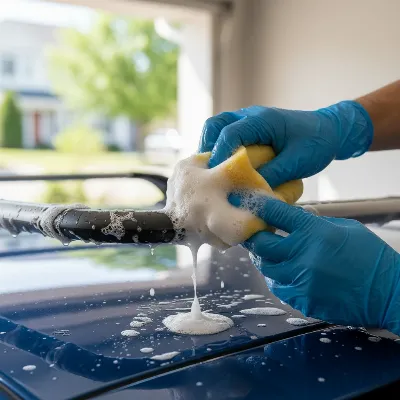 Person gently cleaning a car roof rack with mild soap and a soft sponge.
The Critical Eye: Regular Inspections
Routine inspection is paramount for identifying wear and tear before it escalates into serious problems. Aim for a thorough inspection monthly, or before and after significant trips.
- Checking for Loose Hardware: Vibration from driving can loosen bolts, nuts, and clamps over time. Firmly check all fastening elements and tighten any hardware that appears loose. Pay particular attention to the mounting points where the rack attaches to your vehicle.
- Detecting Signs of Corrosion and Rust: Look for any discoloration, flaking, or bubbling, especially on metal parts, bolts, and welds. Coastal areas or regions with salted roads during winter accelerate corrosion. Addressing small rust spots early can prevent widespread damage.
- Inspecting for General Wear and Tear: Examine plastic components for cracks or brittleness, and rubber parts (like pads or straps) for signs of perishing, fraying, or hardening. Even minor damage can compromise the rack’s security and load-bearing capacity.
- The Importance of Rubber Seals and Contact Pads: These components protect your vehicle’s paintwork and ensure a secure, rattle-free fit. Check them for degradation, compression, or displacement, replacing them if they show significant wear.
Lubrication and Component Care for Smooth Operation
Beyond cleaning and inspection, specific component care, particularly lubrication, ensures that your roof rack functions smoothly and reliably for years to come.
Targeted Lubrication: Locks, Hinges, and Moving Parts
Certain parts of your roof rack, such as locks, hinges, and any adjustable mechanisms, benefit greatly from regular lubrication. This reduces friction, prevents seizing, and protects against rust buildup in critical moving components. If your rack includes quick-release mechanisms or adjustable crossbars, ensure these operate freely.
Choosing the Right Lubricants: Silicone Sprays and Graphite Powders
For locks and delicate moving parts, a dry silicone spray or graphite powder is often recommended as it doesn’t attract dirt and grime like heavier greases might. For other metal-on-metal contact points or exposed bolts, a light, water-resistant grease or anti-corrosion spray can be beneficial. Always consult your roof rack manufacturer’s guidelines for specific lubrication recommendations.
Addressing Worn or Damaged Parts: When to Repair or Replace
If your inspections reveal significantly worn, cracked, or corroded components, prompt action is essential. Do not attempt to carry loads with compromised parts. Often, individual parts like bolts, straps, or rubber pads can be replaced. Always use original spare parts from the manufacturer to ensure compatibility and maintain the rack’s safety standards. Attempting makeshift repairs or using non-standard parts can lead to further damage or catastrophic failure.
Smart Usage: Loading, Driving, and Storage Best Practices
How you use and store your roof rack also plays a critical role in its maintenance and longevity. Adhering to best practices can prevent unnecessary strain and wear.
Adhering to Weight Limits and Distribution: Safety First
Every roof rack and vehicle has a maximum load capacity, which must never be exceeded. This limit includes the weight of the rack itself, plus your cargo. Overloading stresses both the rack and your vehicle’s roof, potentially leading to structural damage and dangerous driving conditions. Distribute weight as evenly as possible, placing heavier items in the center and lower, to maintain vehicle stability and reduce strain on the rack.
Securing Your Cargo Properly: Preventing Accidents
Always use appropriate tie-downs, straps, or nets to secure your cargo firmly to the roof rack. Items like kayaks or large boxes should be tied down at multiple points, including to the front and rear of the vehicle if necessary, to prevent them from shifting or becoming airborne, especially at highway speeds. Loose cargo is not only a risk to itself but also a severe hazard to other drivers.
Driving with a Roof Rack: Understanding the Impact
Be mindful that a loaded roof rack changes your vehicle’s center of gravity, making it more susceptible to crosswinds and affecting handling. Adjust your driving style by reducing speed, especially around corners, and allowing extra braking distance. Also, always the increased height of your vehicle with cargo on top, avoiding low-clearance areas like car parks or drive-throughs.
 SUV driving on a scenic road with a properly loaded roof rack.
Optimal Storage Solutions: When and How to Remove Your Rack
While many modern roof racks are designed to be left on indefinitely, removing them when not in use for extended periods offers several benefits. It can slightly improve fuel efficiency by reducing aerodynamic drag and minimizes the rack’s exposure to harsh weather and road grime, thus reducing wear. If you decide to store your roof rack, ensure it’s thoroughly cleaned and dried beforehand. Store it in a cool, dry, sheltered location, away from direct sunlight and extreme temperatures, to prevent material degradation.
Maintenance Checklist & Common Issues Table
To simplify your roof rack care routine, here’s a quick reference for essential tasks and their impact.
| Maintenance Task | Frequency | Benefits | Potential Issue (if neglected) |
|---|---|---|---|
| Basic Cleaning | After each trip / Weekly | Prevents grime buildup, preserves finish | Premature wear, corrosion, aesthetic damage |
| Deep Cleaning | Monthly / Quarterly | Removes stubborn dirt, prevents long-term damage | Severe corrosion, degraded materials |
| Hardware Inspection | Monthly / Before long trips | Ensures stability, prevents detachment | Rack instability, cargo loss, vehicle damage |
| Lubrication | Bi-annually / As needed | Smooth operation of moving parts, prevents seizing | Seized locks/hinges, difficult adjustments |
| Overall Wear Check | Quarterly / Bi-annually | Identifies damaged components early | Component failure, unsafe operation |
| Protective Coating | Annually (optional) | Enhances rust and UV resistance | Material degradation, accelerated corrosion |
Expert Insights for Peak Roof Rack Performance
“Consistent and mindful maintenance is the single most effective way to protect your roof rack investment, ensuring it reliably serves your adventures for years to come while safeguarding your vehicle and cargo.” – Mark Thompson, Automotive Accessories Specialist
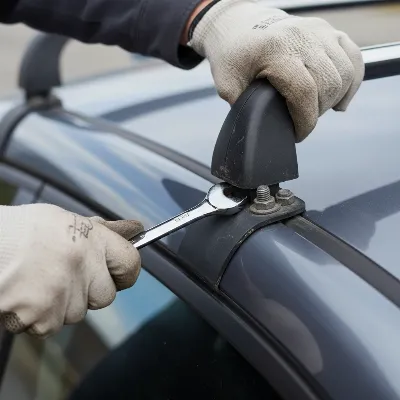 Person checking and tightening bolts on a roof rack.
Conclusion
Your roof rack is an invaluable tool for expanding your vehicle’s cargo capacity and enabling countless adventures. However, its continued safety and functionality hinge on a commitment to regular, thoughtful maintenance. By consistently cleaning, inspecting, lubricating, and adhering to proper usage guidelines, you can protect your investment from premature wear, prevent dangerous failures, and ensure it remains a dependable partner for every journey. Don’t let neglect turn a useful accessory into a hazard; embrace these essential maintenance tips to enjoy your roof rack to its fullest potential for years to come.
What proactive steps will you take this week to ensure your roof rack is ready for its next adventure?
Frequently Asked Questions
How often should I perform a comprehensive maintenance check on my roof rack?
A comprehensive maintenance check, including deep cleaning, thorough hardware inspection, and lubrication, should ideally be performed quarterly or at least twice a year. However, always conduct a quick visual check and tighten any loose parts before and after every long trip or heavy load.
Can I use a pressure washer to clean my roof rack?
Using a pressure washer is generally not recommended for cleaning roof racks. The high pressure can damage seals, strip away protective coatings, force water into crevices leading to rust, or even loosen components. It’s safer and more effective to hand wash with mild soap and a soft cloth.
What are the key indicators that my roof rack components need replacing?
Key indicators include visible cracks in plastic parts, severe corrosion or rust on metal components, frayed or stretched straps, deformed mounting brackets, excessive play in connections even after tightening, or any signs of structural fatigue. Replace compromised parts immediately for safety.
Does leaving my roof rack on my vehicle continuously impact fuel efficiency or vehicle wear?
Leaving a roof rack on continuously can slightly increase fuel consumption due to added aerodynamic drag, typically by 5-15% depending on the rack design and vehicle. While generally safe if properly installed, constant exposure to weather and road conditions can accelerate wear compared to storing it when not in use.
Are there specific maintenance considerations for roof racks made of different materials like aluminum vs. steel?
Aluminum racks are lightweight and naturally resistant to rust, but can suffer from oxidation (white powdery corrosion). Steel racks are stronger but highly susceptible to rust, especially if the protective coating is scratched. Both require regular cleaning and inspection, but steel demands more vigilant rust prevention and treatment, while aluminum benefits from polishing to maintain its finish.
Frequently Asked Questions
How often should I perform a comprehensive maintenance check on my roof rack?
A comprehensive maintenance check, including deep cleaning, thorough hardware inspection, and lubrication, should ideally be performed quarterly or at least twice a year. Always conduct a quick visual check and tighten any loose parts before and after every long trip or heavy load to ensure safety.
Can I use a pressure washer to clean my roof rack safely?
Using a pressure washer is generally not recommended for cleaning roof racks. The high pressure can damage seals, strip away protective coatings, force water into crevices leading to rust, or even loosen components. It's safer and more effective to hand wash with mild automotive soap and a soft cloth.
What are the key indicators that my roof rack components need replacing?
Key indicators include visible cracks in plastic parts, severe corrosion or rust on metal components, frayed or stretched straps, deformed mounting brackets, excessive play in connections even after tightening, or any signs of structural fatigue. Replace compromised parts immediately for safety to prevent potential failures.
Does leaving my roof rack on my vehicle continuously impact fuel efficiency?
Leaving a roof rack on continuously can slightly increase fuel consumption due to added aerodynamic drag, typically by 5-15% depending on the rack design and vehicle. While generally safe if properly installed, constant exposure to weather and road conditions can accelerate wear compared to storing it when not in use.
Are there specific maintenance considerations for roof racks made of different materials?
Yes, aluminum racks are lightweight and rust-resistant but can oxidize (white powdery corrosion), benefiting from polishing. Steel racks are stronger but highly susceptible to rust if coatings are scratched, requiring vigilant rust prevention. Both need regular cleaning and inspection, but material dictates specific protective measures.
Deep Cleaning Your Roof Rack
A step-by-step guide to thoroughly clean your roof rack, removing accumulated dirt and preventing long-term damage.
Start by using a soft brush or compressed air to dislodge any loose dirt, leaves, or grit from the rack's surfaces and crevices. This crucial step prevents scratching the finish during the washing process.
Mix a mild automotive soap with warm water. Use a soft sponge or cloth to gently wash all parts of the roof rack, paying particular attention to the underside and mounting points where dirt often collects unseen.
Rinse the entire rack thoroughly with clean water, ensuring no soap residue remains, as soap film can attract dirt or leave unsightly spots. Crucially, dry the roof rack completely with a clean towel, especially around bolts, seams, and metal components, to prevent water spots and rust.
Never use abrasive cleaners, strong chemicals, or stiff brushes, as these can damage the rack's finish, protective coatings, and plastic components. Automatic car washes with brushes can snag and damage roof racks, so always opt for a manual wash or a touchless system if the rack is fixed.

I used to just throw my kayak on and go, but after reading about how important routine cleaning is, I’ve been much more diligent. My Thule rack looks way better and I feel a lot more confident about its longevity. It really does make a difference in preventing that gritty buildup.
Good reminder about material fatigue. I’ve had my roof rack for years and never really thought about how the sun and elements wear it down. I’m going to start applying a UV protectant to the plastic parts, which I hadn’t considered before. Simple steps can really extend the life of your gear.
I’ve always been worried about premature corrosion, especially living near the coast. The advice on thorough inspections really hit home for me. I’ve started checking all the bolts and connections regularly, and it’s given me peace of mind knowing my cargo is secure for long trips.
The tips on proper lubrication were helpful, especially for the moving parts on my Yakima system. I wish there was a bit more detail on specific lubricants to use for different materials, like plastic versus metal components. Still, it’s a good reminder to not neglect those areas.